As an Amazon Associate, we earn from qualifying purchases. This post contains affiliate links.
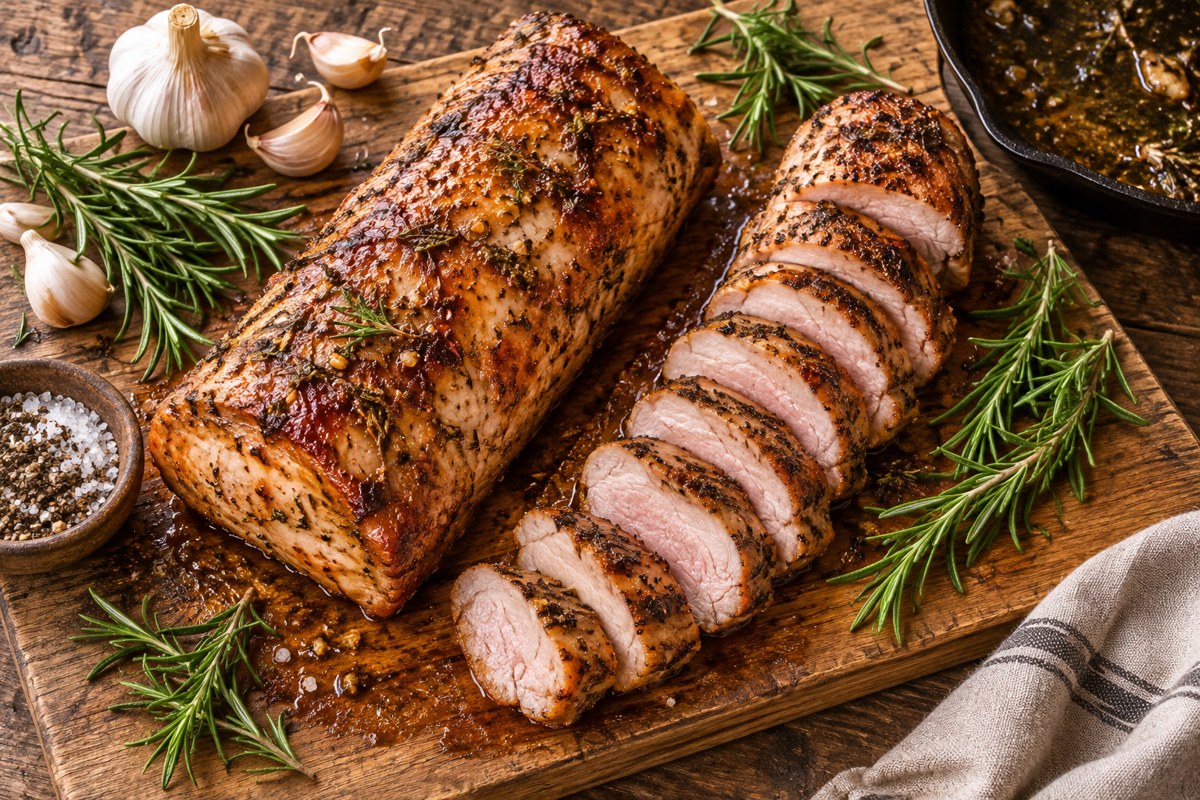
Quick answer: No, they are not the same cut. Pork loin is a wide, thick roast from the back that is best roasted low and slow, while pork tenderloin is a small, narrow, extra-tender muscle that cooks in under half an hour. You can swap one for the other, but you need to change the cooking time and method, and both are done at 145°F with a 3-minute rest.
Pork loin and pork tenderloin sit side by side in the meat case, have nearly the same name and come from roughly the same part of the pig, so it’s no surprise they get mixed up. Grab the wrong one for a holiday roast and you’ll either have a tiny dinner or a roast that needs an hour more than you planned.
Here’s how the two cuts compare, how to cook each one so it stays juicy, and exactly how to substitute one for the other. Whichever you choose, an instant-read thermometer is the single best tool for getting lean pork right.
Pork Loin vs Pork Tenderloin at a Glance
| Pork Loin | Pork Tenderloin | |
|---|---|---|
| What it is | A wide, thick cut that runs along the back; sold as roasts or cut into chops | A long, narrow muscle tucked under the backbone; usually sold whole |
| Typical size | Roasts commonly 2 to 5 pounds, sometimes with a fat cap | Usually about 1 to 1.5 pounds, often 2 in a package |
| Texture | Tender and fine-grained, but firmer | The most tender cut of pork, almost buttery |
| Flavor | Mild, a little richer when the fat cap is left on | Very mild; relies on rubs, marinades and sauces |
| Best cooking methods | Roasting, grilling over indirect heat, slow cooking, cutting into chops | Searing in a cast iron skillet then roasting, grilling, pan-frying medallions |
| Typical cooking time | Roughly 20 to 25 minutes per pound at 350°F | About 20 to 30 minutes total at 400 to 425°F |
| Cost | Usually budget-friendly per pound | Usually costs more per pound |
| Doneness | 145°F, then rest at least 3 minutes | 145°F, then rest at least 3 minutes |
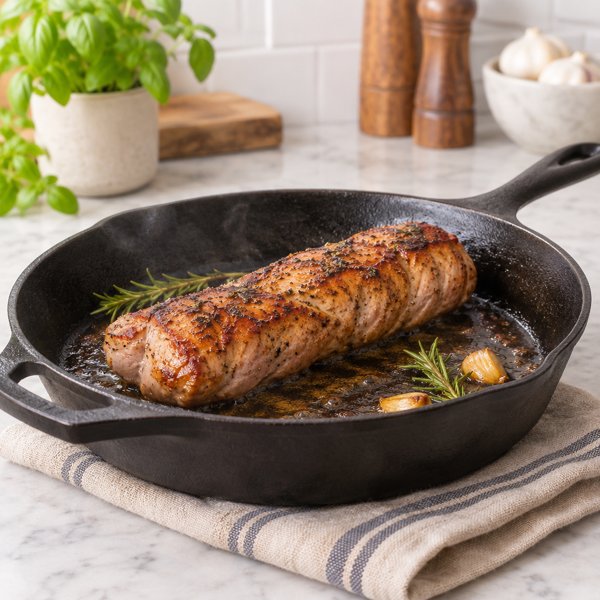
Lodge 12-Inch Cast Iron Skillet
Whichever cut you pick, a heavy pan that goes from stovetop to oven makes searing and finishing easy.
What Is Pork Loin?
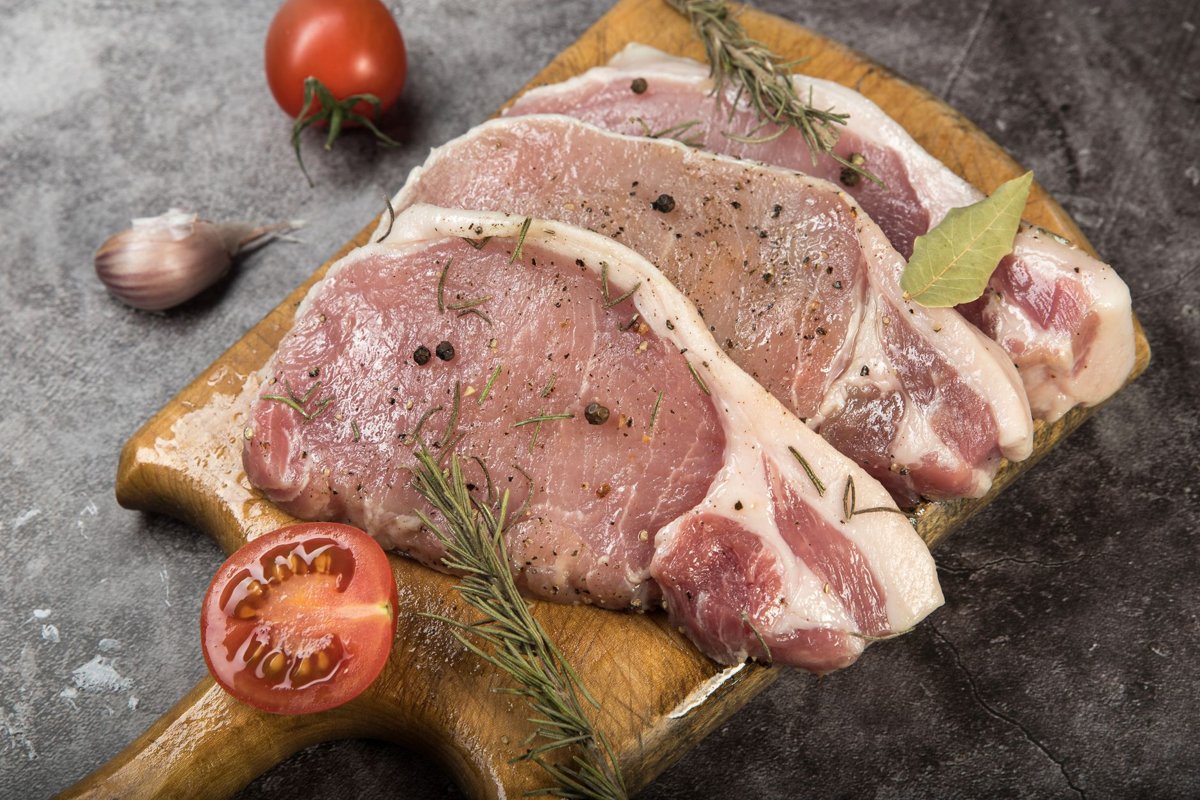
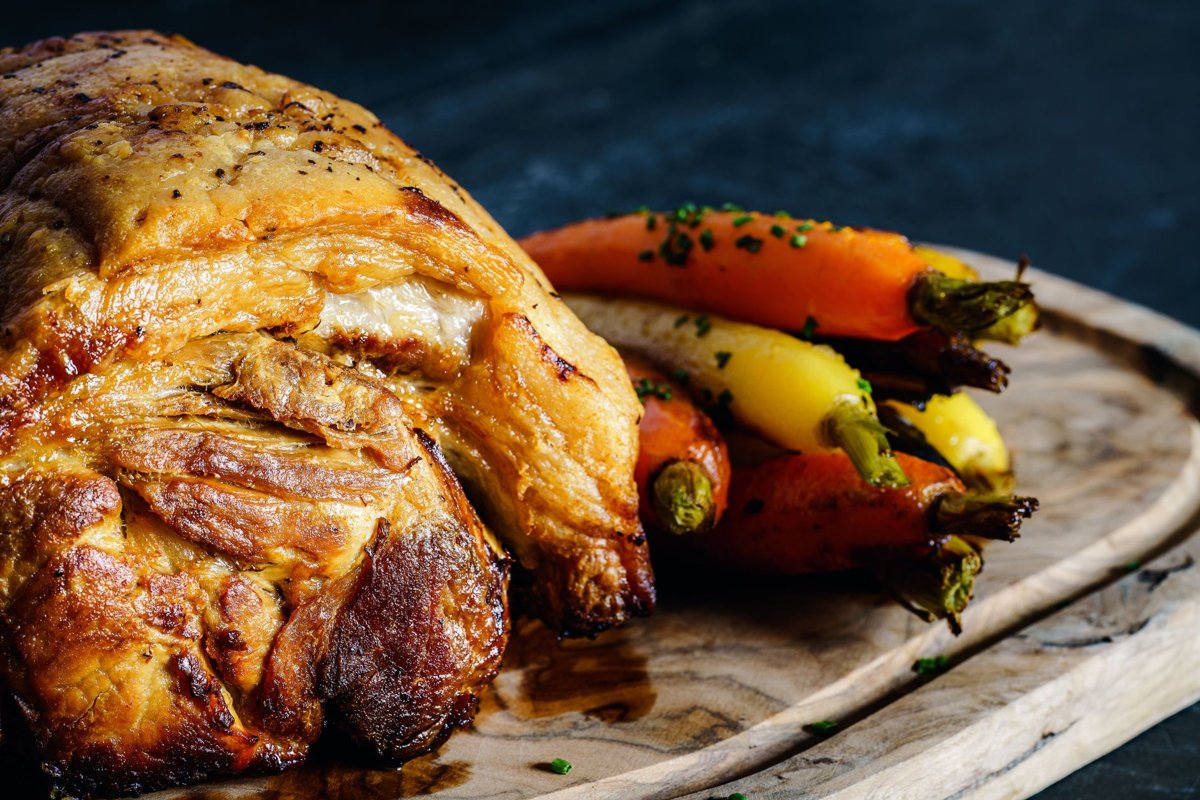
Pork loin is a large cut that runs along the pig’s back, from the shoulder to the hip. It’s the same muscle that boneless and bone-in pork chops are cut from, so a pork loin roast is really a big, uncut chop. You’ll find it boneless, bone-in (often sold as a center-cut rib roast) and sometimes with a layer of fat on top.
Because it’s wide and thick, pork loin is made for roasting. It slices into neat, even rounds that look great on a holiday table, and its size makes it an easy way to feed a crowd. Like most lean roasts, it rewards a dry heat approach, and if you want a refresher on how roasting differs from braising, our guide to dry heat cooking methods covers the basics.
Loin is lean, so it can turn dry and stringy if it’s overcooked. Leaving the fat cap on, brining ahead of time and pulling it from the oven right at 145°F all help it stay juicy. Tying a boneless roast with kitchen twine keeps it an even shape so it cooks evenly.
What Is Pork Tenderloin?
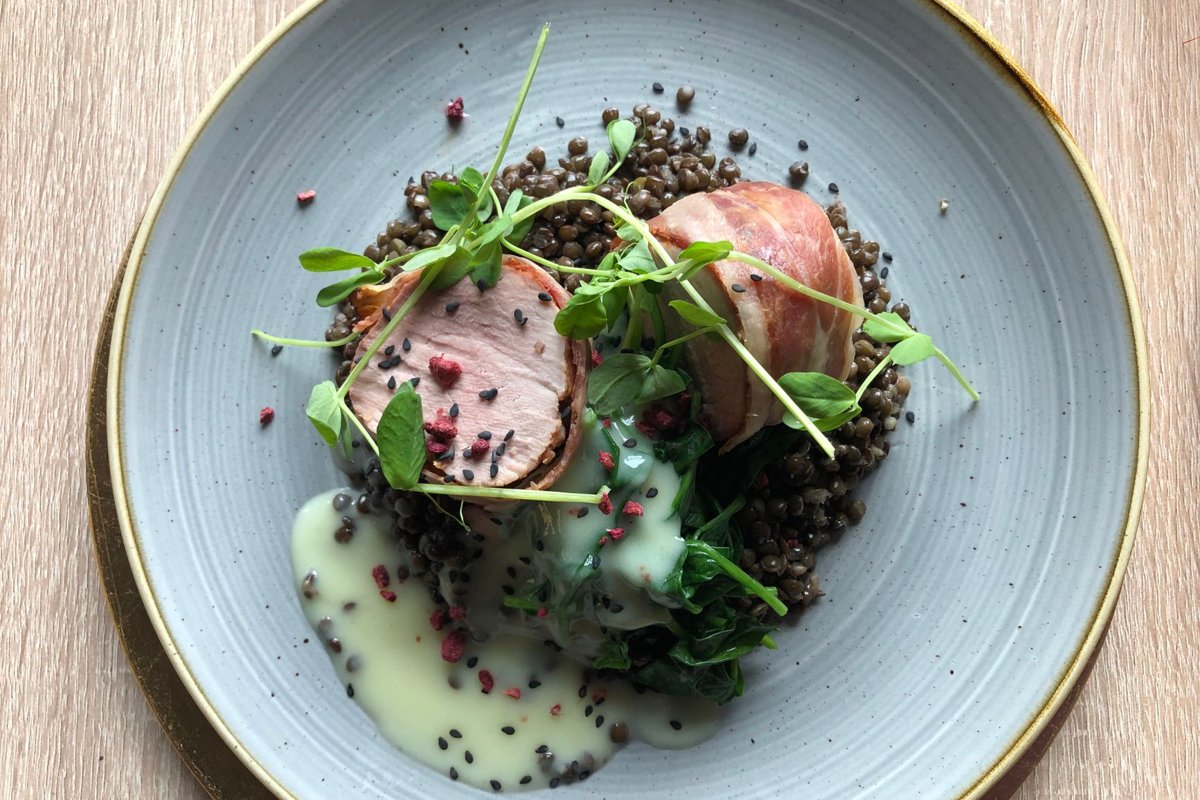
Pork tenderloin is a long, thin, tapered muscle that sits under the backbone. It does very little work, which is why it’s the most tender cut on the pig. A whole tenderloin is usually only about 2 inches thick and around a pound or so, and it often has a thin, shiny layer of connective tissue called silver skin that should be trimmed off before cooking.
Its small size means tenderloin cooks fast, making it a favorite for weeknights. The classic method is to sear it on all sides in a hot pan, then finish it in a 400 to 425°F oven until it reaches 145°F. It also grills beautifully and can be sliced into medallions and pan-fried in minutes. For a full walkthrough, see our guide to cooking pork tenderloin.
The mild flavor is both a strength and a weakness. Tenderloin takes on marinades, spice rubs and pan sauces well, but on its own it can taste a little plain, so season it generously.
Can You Substitute Pork Loin for Pork Tenderloin?
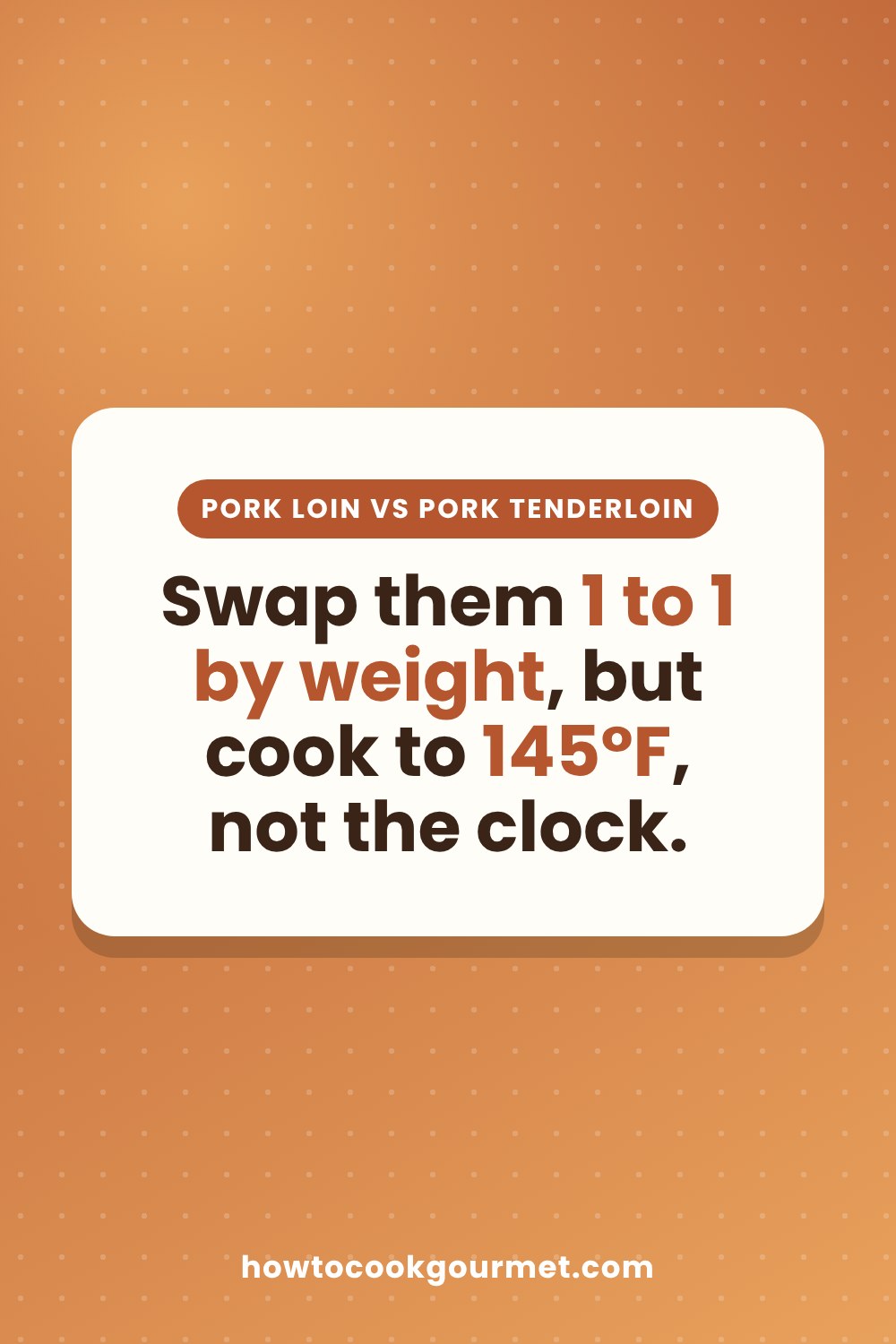
- Yes, by weight, 1 to 1: the two cuts can stand in for each other in most recipes, but the cooking time will change a lot. Always cook to temperature, not to the clock.
- Using loin in a tenderloin recipe: cut the loin lengthwise into a long, narrow piece about 2 inches thick, or slice it into 1-inch medallions. Expect it to be slightly firmer and to need a little longer than tenderloin.
- Using tenderloin in a loin roast recipe: you’ll need two or more tenderloins for the same weight. Tie two tenderloins together, thick end to thin end, so they cook evenly, and cut the oven time to roughly 25 to 40 minutes at 400°F.
- Slow cooker recipes: loin is the better choice. Tenderloin is too lean and small for long, slow cooking and tends to dry out. Neither one shreds like pork shoulder.
- Recipes calling for pork chops: thick slices of loin are basically boneless chops, so loin is the closer match.
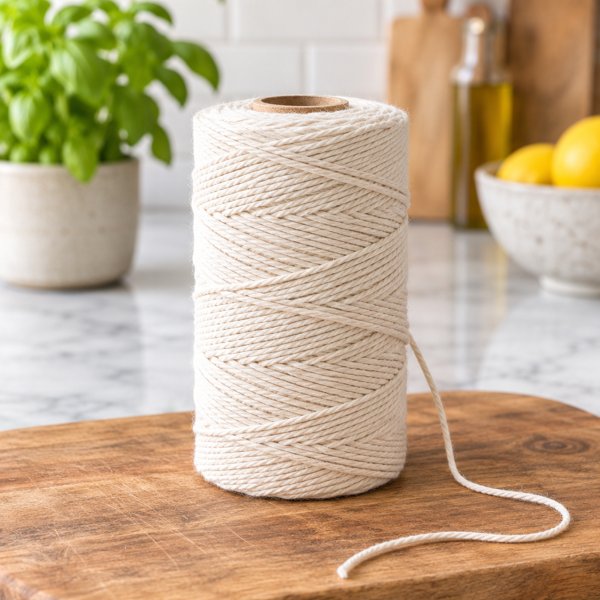
Regency Wraps Cotton Butcher's Twine
Swapping tenderloins in for a loin roast works best when you tie them together into one even log.
When to Use Each
- Feeding a crowd or a holiday table: choose a pork loin roast. One roast can serve 6 to 10 people and slices neatly; set it on a rack in a roasting pan so it browns all over.
- Quick weeknight dinner: choose tenderloin. It goes from fridge to table in about 30 to 40 minutes.
- Grilling: tenderloin cooks quickly over direct medium-high heat; a loin roast does best over indirect heat with the lid closed.
- Stuffing and rolling: both work. Loin can be butterflied into a large flat sheet for a show-stopping stuffed roast, while tenderloin makes a smaller roll for two to four people.
- Brining: loin benefits most because it cooks longer. A simple salt brine or dry rub the night before helps it stay juicy; see our comparison of wet vs dry brining for which method suits you.
- Watching your budget: loin is usually the better value per pound, and leftovers make great sandwiches.
What You’ll Need
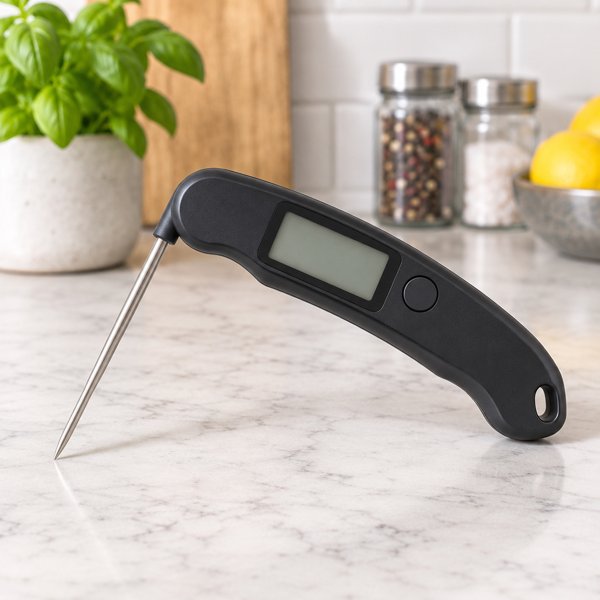
ThermoPro TP19H Instant-Read Thermometer
Lean pork goes from juicy to dry in a few degrees, and a fast-reading thermometer is the easiest way to pull either cut at exactly 145°F.
Lodge 12-Inch Cast Iron Skillet
Holds high heat for a deep brown sear and can go straight into the oven to finish a tenderloin.
Regency Wraps Cotton Butcher's Twine
Tying a boneless loin or a pair of tenderloins keeps the shape even so the whole piece cooks at the same rate.
Nordic Ware Roaster with Rack, X-Large
A roasting pan with a rack lifts a loin roast off the drippings so it browns on all sides, and the drippings can become a pan sauce.
Common Mistakes to Avoid
- Grabbing the wrong package: check the label. A ‘pork loin filet’ or ‘loin roast’ is not tenderloin, even if it looks small.
- Cooking past 145°F: both cuts are lean and dry out fast. USDA guidance is 145°F followed by at least a 3-minute rest; a quick-reading thermometer takes the guesswork out.
- Skipping the rest: slicing right away lets the juices run onto the board. Rest the meat, loosely covered, before carving.
- Leaving the silver skin on tenderloin: it turns chewy and makes the meat curl. Slide a thin knife under it and trim it away.
- Treating tenderloin like a slow-cook roast: it’s too lean for hours in a slow cooker. Use loin or shoulder instead.
- Not searing tenderloin first: a hot pan, like a well-heated cast iron pan, adds the browned flavor this mild cut needs.
Pork Loin Vs Pork Tenderloin FAQ
Are pork loin and pork tenderloin the same?
No. Both come from along the pig’s back, but loin is a large, wide roast and tenderloin is a small, narrow muscle. They differ in size, tenderness, cooking time and usually price.
Can I use pork loin instead of pork tenderloin?
Yes. Cut the loin into a narrow piece or 1-inch medallions so it cooks more like tenderloin, and cook it to 145°F with an instant-read thermometer. It will be a little firmer.
Which is leaner, pork loin or pork tenderloin?
Both are lean cuts. Tenderloin is one of the leanest cuts of pork, while loin can carry a fat cap that you can trim before or after cooking.
How long can raw pork loin or tenderloin stay in the fridge?
Raw pork roasts and tenderloins generally keep 3 to 5 days in the refrigerator at 40°F or below, or you can freeze them for longer storage. Thaw frozen pork in the fridge, not on the counter.
The Bottom Line
Pork loin and pork tenderloin are different cuts: loin is the big, budget-friendly roast for holiday tables and slow, even roasting, while tenderloin is the small, extra-tender cut for fast weeknight dinners. You can substitute one for the other by weight as long as you adjust the shape and cooking time, and for both, the rule is the same: cook to 145°F, rest, then slice.
More from the kitchen: