Quick answer: They are two different cuts. Prime rib comes from the rib section and is richly marbled, beefy and forgiving to roast, while beef tenderloin is the lean, buttery-soft muscle that filet mignon is cut from and cooks in under an hour. Pick prime rib for big flavor and a crowd; pick tenderloin for elegance, tenderness and speed.
When the holidays roll around, two roasts tend to fight for the center of the table: a towering, bone-in prime rib and a sleek, perfectly round beef tenderloin. Both are splurges, both are crowd-pleasers, and both are easy to ruin if you treat them the same way.
The difference comes down to where each cut sits on the animal. That one fact explains why they taste, cook and cost so differently. Here’s how they compare side by side, plus how to pick the right one for your gathering.
Prime Rib vs Beef Tenderloin at a Glance
| Prime rib | Beef tenderloin | |
|---|---|---|
| What it is | A standing rib roast from the beef rib section, usually sold bone-in | The long, slender muscle under the spine; the source of filet mignon |
| Flavor | Rich, deeply beefy, buttery from marbling and a fat cap | Mild and delicate; relies on seasoning and sauce |
| Texture | Tender and juicy with some chew | Exceptionally tender, almost spoonable |
| Fat | Well marbled with a thick outer fat cap | Very lean |
| Typical cooking | Low oven (about 250 to 325°F) or reverse sear; roughly 3 to 4 hours for a large roast | Sear, then a hot oven (about 400 to 425°F); often 30 to 50 minutes for a trimmed roast |
| How much to buy | About 3/4 to 1 pound per person bone-in (roughly one rib per two guests) | About 1/2 pound of trimmed roast per person |
| Best for | Big gatherings, au jus, Yorkshire pudding, hearty sides | Elegant dinners, smaller groups, make-ahead sauces |
| Substitute | Boneless ribeye roast | Center-cut tenderloin (chateaubriand) or a well-trimmed strip loin roast |
What Is Prime Rib?
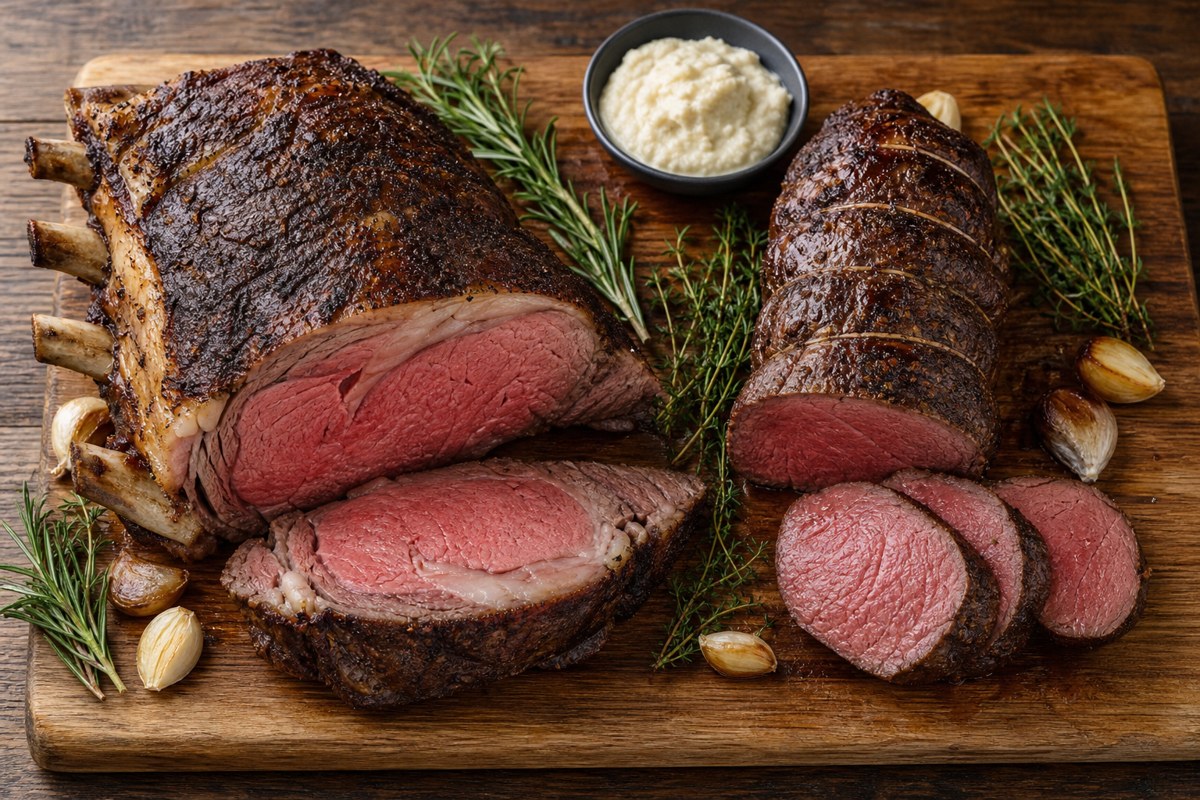
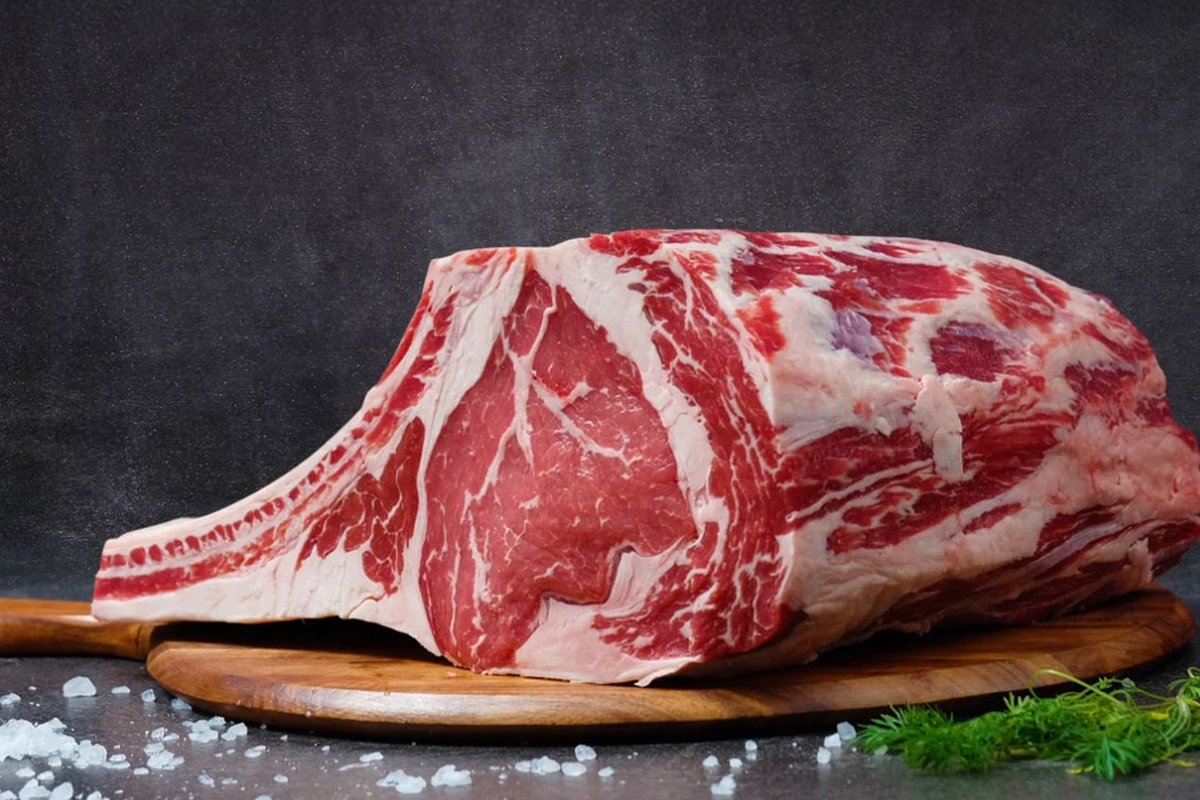
Prime rib is a roast cut from the rib primal, the same section that gives you ribeye steaks. It’s also called a standing rib roast because it’s usually roasted standing on its own rib bones, which act as a natural rack. Slice a cooked prime rib between the bones and you essentially have thick, roasted ribeyes.
Despite the name, “prime” doesn’t have to mean USDA Prime grade. Much of the prime rib sold in stores is Choice grade; Prime grade is labeled as such and costs more. What makes the cut special is its marbling and the generous fat cap, which baste the meat as it roasts and produce flavorful drippings for au jus or Yorkshire pudding.
Because it’s fatty and large, prime rib is forgiving. Set in a heavy roasting pan with a rack, it cooks evenly in a low oven from edge to center, and a brief blast of high heat at the start or the end builds a browned, crusty exterior. Ask the butcher for the first cut (also called the small end or loin end), which tends to be leaner with a bigger central eye, or the chuck end if you love the richer, fattier spinalis cap.
What Is Beef Tenderloin?
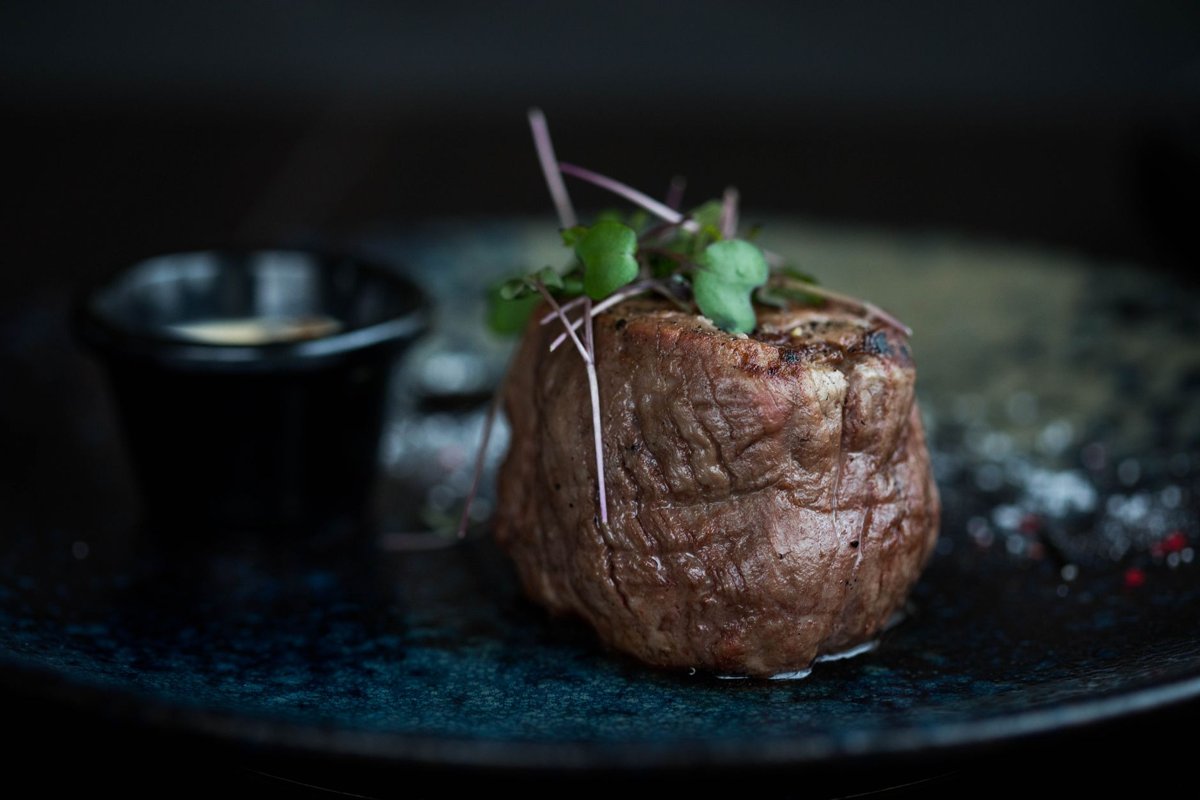
Beef tenderloin is a long, tapered muscle that runs along the inside of the spine. It does very little work, which is why it’s the most tender cut on the animal. Slice it into steaks and you get filet mignon; roast the thick center section whole and you have chateaubriand.
That tenderness comes with a trade-off: tenderloin is very lean and has a mild, subtle flavor. It benefits from bold seasoning, a good sear, and a sauce such as béarnaise, horseradish cream, red wine reduction or chimichurri. It’s also why it’s sometimes wrapped in pastry for beef Wellington.
A whole untrimmed tenderloin comes with a fat layer, a side strip called the chain, and a tough silvery membrane (silverskin) that should be trimmed off. Buying it already trimmed costs more per pound but saves work. Tie the roast with butcher’s twine every inch or two and tuck the thin tail end under so it cooks evenly.
Can You Substitute Prime Rib for Beef Tenderloin?
On a holiday menu, yes. Either roast can be the star of the meal, and most sides work with both. What you can’t swap is the method: a prime rib recipe applied to a tenderloin will badly overcook it, and a tenderloin recipe applied to a prime rib will leave the center raw.
Swapping prime rib for tenderloin: buy less meat, since there’s no bone or heavy fat to account for (about 1/2 pound trimmed per person instead of 3/4 to 1 pound bone-in). Plan on a much shorter cook, roughly 30 to 50 minutes in a hot oven after searing, and start checking the temperature early. You’ll get very little in the way of drippings, so make your sauce separately.
Swapping tenderloin for prime rib: budget extra time, often three hours or more for a large roast at a low temperature, plus resting. A boneless ribeye roast is the closest match to prime rib if you want easier carving.
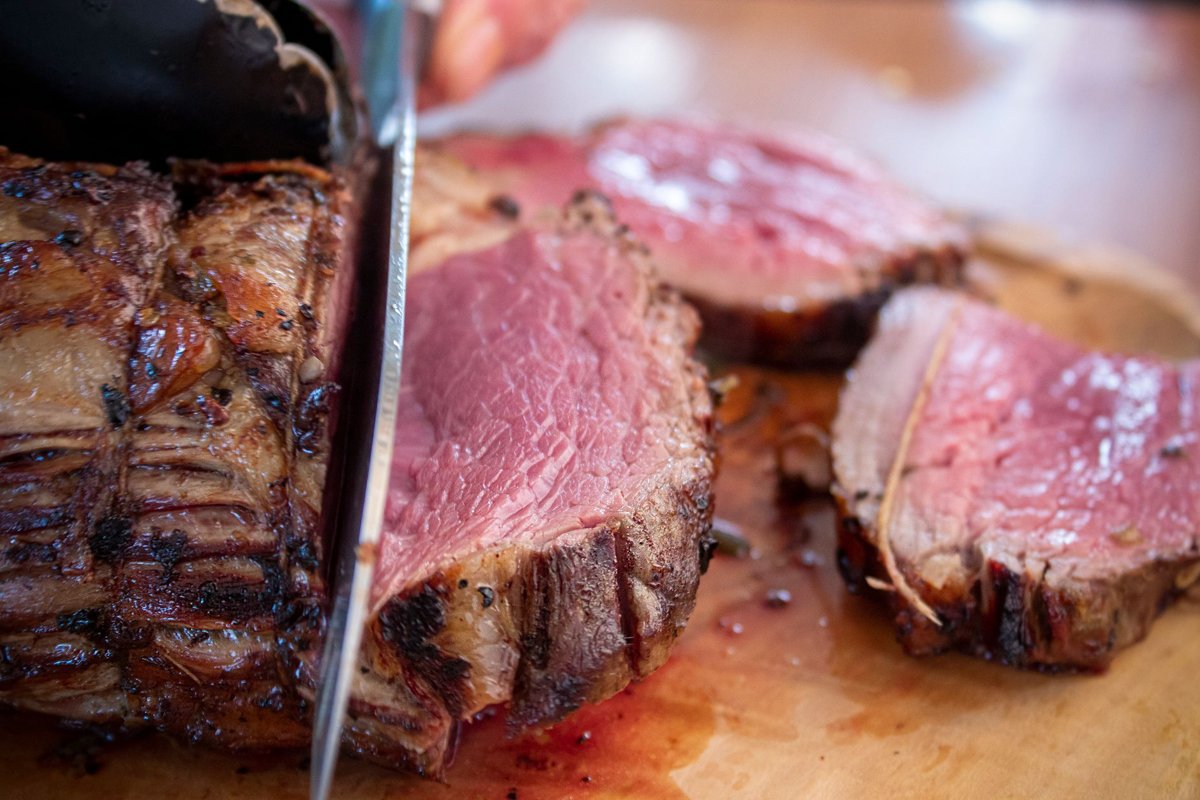
In both cases, cook to temperature, not time. A leave-in probe thermometer lets you watch the temperature without opening the oven. Many cooks pull either roast at about 120 to 125°F for medium-rare and let carryover cooking raise it 5 to 10 degrees while it rests. The USDA recommends cooking beef roasts to at least 145°F followed by a 3-minute rest, so use that target if you’re serving guests who prefer to follow official guidance.
When to Use Each
- Choose prime rib when you’re feeding a big crowd, want deep beefy flavor, and plan to serve au jus, Yorkshire pudding or popovers.
- Choose prime rib if you want a forgiving roast that holds well and gives you a few extra minutes of leeway.
- Choose beef tenderloin for a smaller, elegant dinner where tenderness matters more than bold flavor.
- Choose beef tenderloin when oven time is tight, since it roasts in under an hour and frees the oven for sides.
- Choose beef tenderloin for leaner servings, or if you want to serve it chilled and sliced for a buffet or sandwiches.
- Serve both for a large party: a prime rib for the main table and a tenderloin for guests who prefer lean, mild beef.
What You’ll Need
- ThermoPro TP19H Instant-Read Meat Thermometer: Both roasts are expensive and both depend on pulling them at the right temperature, so a fast, accurate thermometer is the best insurance you can buy.
- ThermoPro TP16 Leave-In Probe Thermometer: Lets you monitor a long, slow prime rib without opening the oven door, with an alarm when it hits your target.
- Cuisinart Chef's Classic 16-Inch Roasting Pan with Rack: A sturdy pan that holds a large rib roast and catches the drippings for jus, and works just as well for searing and roasting a tenderloin.
- Regency Wraps Butcher's Cooking Twine: Food-safe cotton twine for tying a tenderloin into an even cylinder or securing the bones back onto a prime rib.
Common Mistakes to Avoid
- Roasting straight from the fridge. Let either roast sit out for about 1 hour (or up to 2 for a large prime rib) so it cooks more evenly, but don’t leave raw meat out longer than 2 hours.
- Cooking by the clock. Roast sizes, ovens and starting temperatures vary. Use an instant-read thermometer in the thickest part, away from bone.
- Forgetting carryover cooking. Pull the roast 5 to 10 degrees below your final target and rest it, about 15 to 20 minutes for tenderloin and 20 to 30 minutes for prime rib.
- Skipping the trim and tie on tenderloin. Silverskin turns chewy, and an untied roast cooks unevenly, with the thin tail overcooking first.
- Under-seasoning. Large roasts need more salt than you think. Salting a day ahead and refrigerating uncovered seasons deeply and helps the crust.
- Slicing too soon or with the grain. Rest the meat, then slice across the grain so every bite is tender.
Prime Rib Vs Beef Tenderloin FAQ
Are prime rib and beef tenderloin the same?
No. Prime rib is a rib roast from the upper rib section, prized for marbling and beefy flavor. Beef tenderloin is a separate, much leaner muscle along the spine, prized for tenderness. They come from different parts of the animal and cook very differently.
Can I use beef tenderloin instead of prime rib?
Yes, as the centerpiece of a meal. Buy about 1/2 pound of trimmed tenderloin per person, sear it, then roast it in a hot oven for a much shorter time, checking the internal temperature early with an instant-read thermometer. Make a separate sauce, since tenderloin produces few drippings.
Is beef tenderloin leaner than prime rib?
Yes. Tenderloin is one of the leanest beef cuts, while prime rib is well marbled and has a thick fat cap. That means tenderloin is generally lower in fat and calories per serving, while prime rib has more of the fat that carries beefy flavor.
How do I store and reheat leftover prime rib or tenderloin?
Refrigerate leftovers within 2 hours of cooking in a covered container and use them within 3 to 4 days, or freeze for longer storage. Reheat slices gently, such as in a covered dish with a splash of jus or broth in a low oven, until heated through, so the meat doesn’t dry out.
The Bottom Line
Prime rib and beef tenderloin are both worthy holiday roasts, just for different tables. Go with prime rib when you want rich, beefy flavor, a forgiving cook and plenty of drippings for a crowd. Go with tenderloin when you want melt-in-your-mouth tenderness, leaner slices and a roast that’s done in under an hour. Whichever you choose, trust your thermometer, rest the meat, and slice it across the grain.
More from the kitchen:
As an Amazon Associate, we earn from qualifying purchases. This post contains affiliate links.