
As an Amazon Associate, we earn from qualifying purchases. This post contains affiliate links.
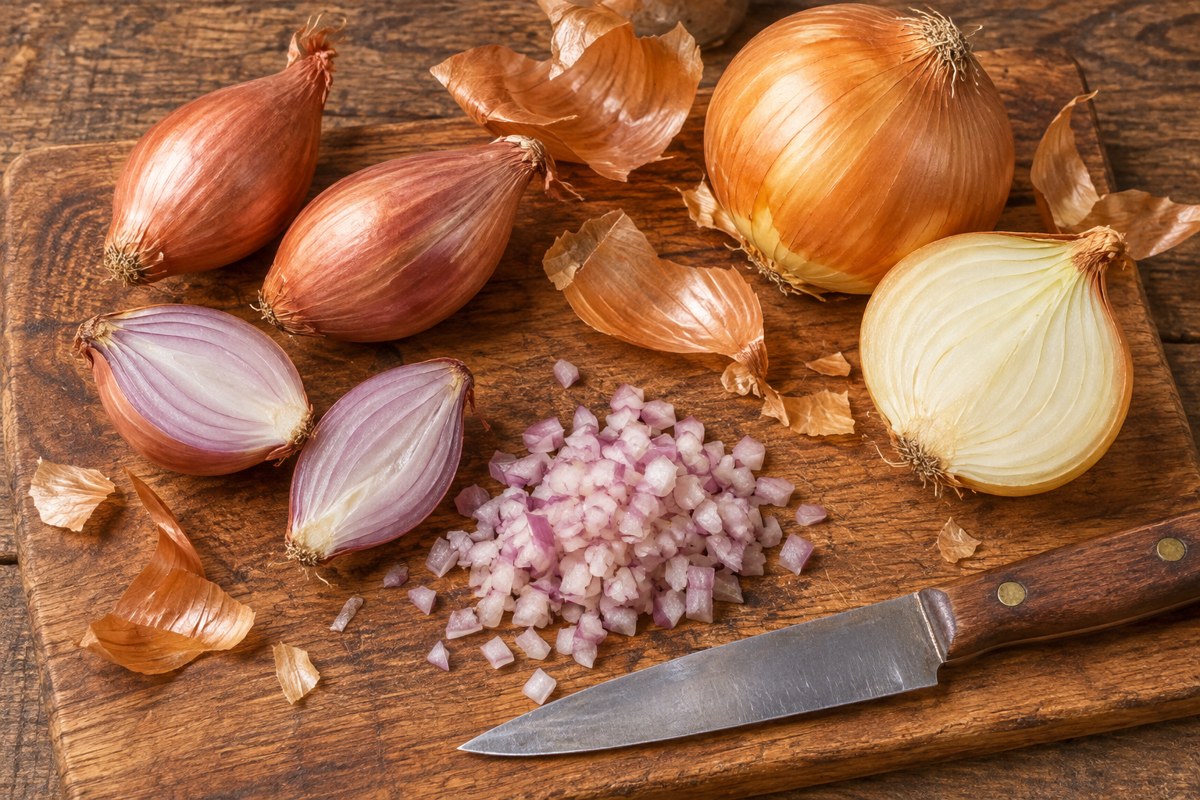
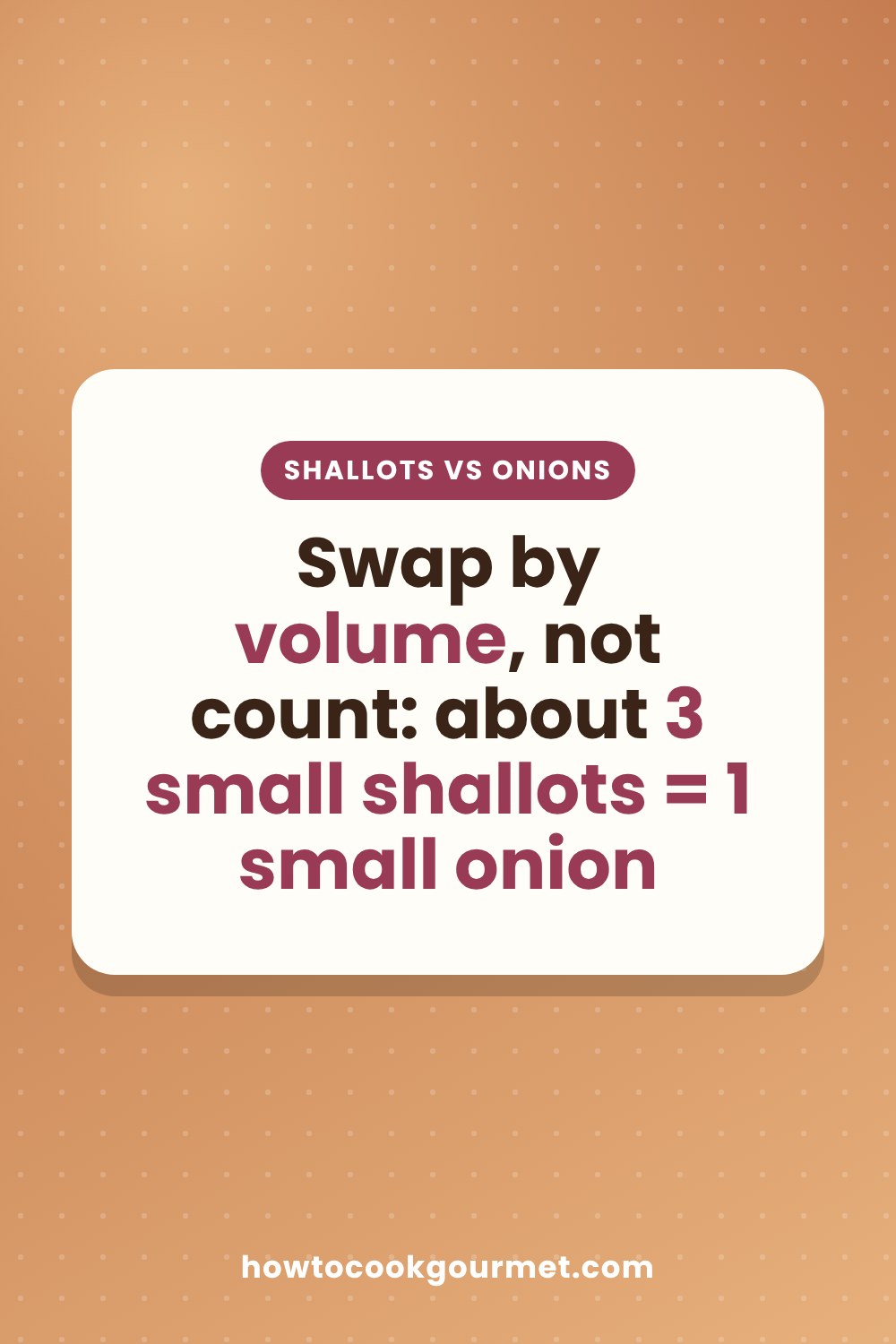
Quick answer: No, but they are close cousins. Shallots are smaller, milder and a little sweeter with a hint of garlic, while onions are bolder and hold up better to long cooking. You can swap them in most cooked dishes if you measure by volume, not by count.
Shallots and onions sit next to each other in the produce aisle, look alike once peeled and get chopped the same way. Many recipes, especially French ones and holiday sauces, call specifically for shallots, which leaves a lot of cooks wondering whether a regular onion will do. In most cases it will, as long as you know what changes.
Below you’ll find how the two compare on flavor, texture and cooking time, how to substitute one for the other, and when each one is worth buying. Whichever you choose, a sharp chef’s knife makes a fine mince much easier, and our guide on how to cut an onion without crying helps with the tears.
Shallots vs Onions at a Glance
| Shallots | Onions | |
|---|---|---|
| What it is | A small allium that grows in clusters of cloves, like garlic | A single large bulb; yellow, white, red and sweet varieties |
| Flavor | Mild, sweet and delicate, with a faint garlicky note | Stronger and sharper raw; sweet and deep when cooked |
| Texture | Fine and tender; melts into sauces | Crisper and juicier; keeps more bite |
| Best uses | Vinaigrettes, pan sauces, beurre blanc, mignonette, quick sautés | Soups, stews, braises, roasts, caramelized onions, salsas |
| Cooking time | Softens in about 2 to 4 minutes; burns quickly over high heat | Softens in about 5 to 8 minutes; caramelizes in 30 to 45 minutes or more |
| Cost | Usually more expensive per pound | Inexpensive and easy to find year-round |
| Substitute ratio | About 3 small shallots for 1 small onion | Use the same volume of chopped yellow onion as minced shallot |
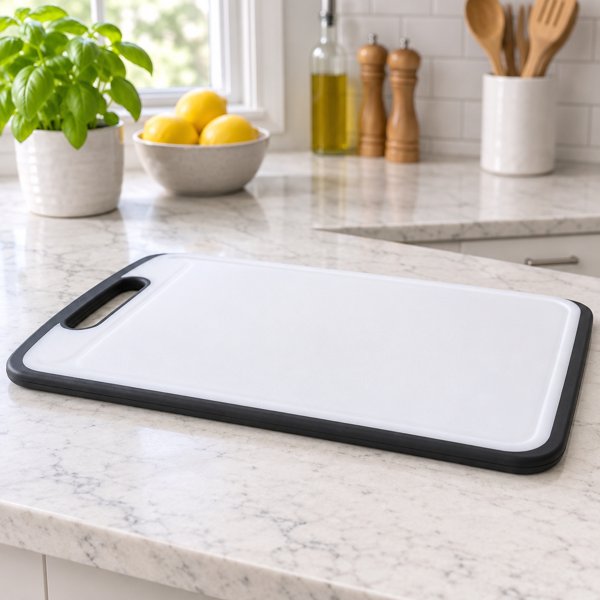
OXO Good Grips Everyday Cutting Board
Since shallots and onions both need fine, even cuts, a board that won’t slide around makes the prep faster and safer.
What Is a Shallot?
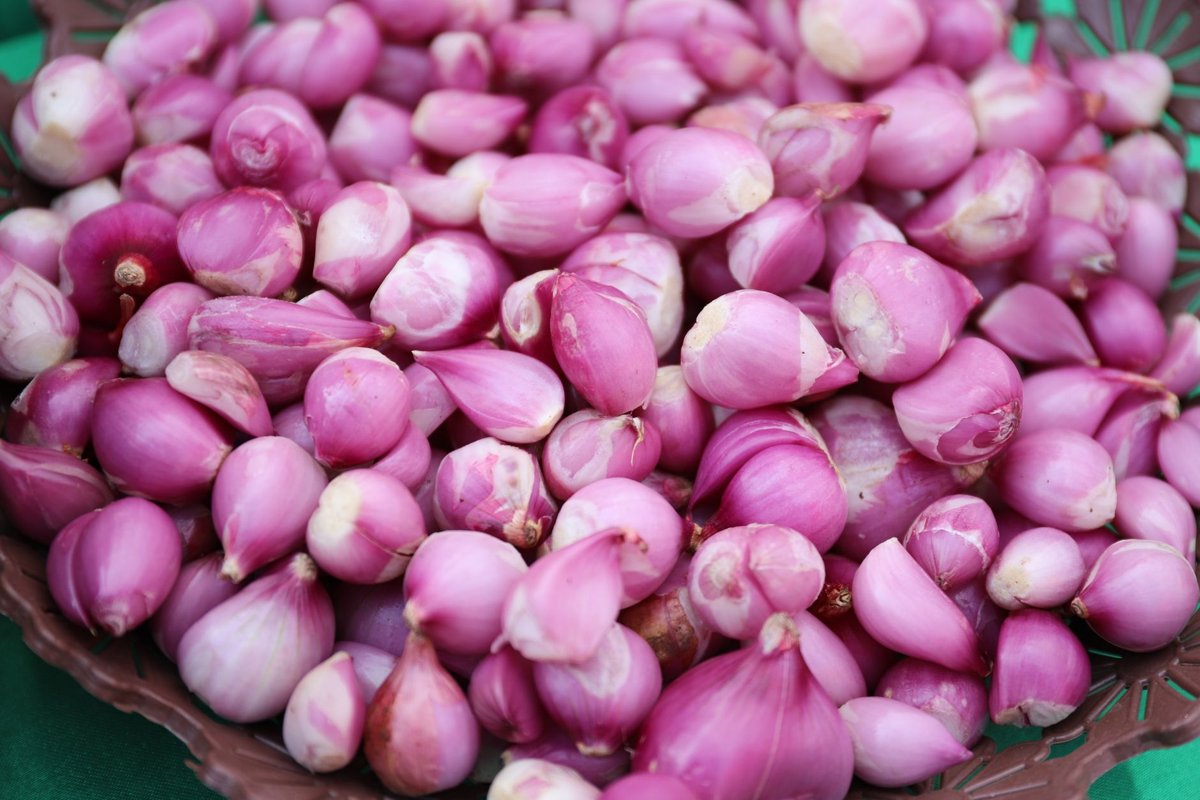
A shallot is a member of the onion family that grows in clusters rather than as one big bulb. Pull the papery skin off and you’ll often find two or three lobes inside, much like a head of garlic. The most common types in U.S. stores are copper-skinned shallots, along with the long, gray-skinned French gray shallot that many chefs prize.
Shallots have thin layers and a fine, delicate texture, so they melt into butter and wine instead of leaving chunks behind. Their flavor is gentler and sweeter than an onion’s, which is why they are the classic choice for raw uses like a red wine vinegar mignonette or a simple vinaigrette. They also contain less water, so they taste more concentrated ounce for ounce.
One naming note: in some places, including parts of Australia and Louisiana, people call green onions “shallots.” If a recipe from those regions mentions shallots, it may mean scallions. Shallots are also a cousin of leeks, which you can read about in our explainer on what a leek is.
What Is an Onion?
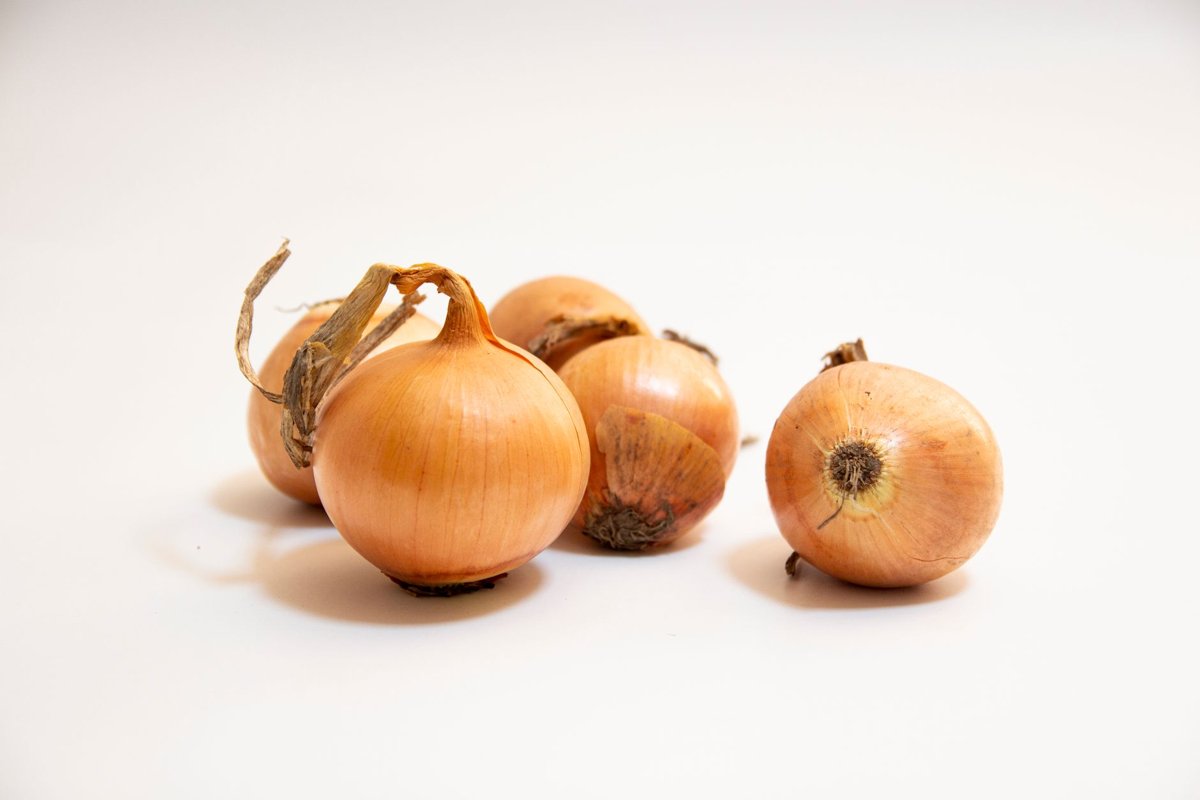
The common onion is a single, round bulb with thicker, juicier layers. Yellow onions are the everyday workhorse: sharp when raw, rich and sweet after long cooking. White onions are crisp and clean-tasting, popular in Mexican cooking. Red onions are mild enough to eat raw and add color to salads and salsas. Sweet onions such as Vidalias have a higher water content and less bite.
Because onions have more moisture and more sulfur compounds, they bring stronger flavor to anything simmered for a long time. They are the base of countless soups, stews and sauces, including the classic aromatic mix that goes into homemade stock (see our guide to broth vs stock). Onions also brown beautifully, which is what makes slow caramelized onions so deep and sweet.
Can You Substitute Shallots for Onions?
- Yes, in most cooked dishes. The biggest rule is to measure by volume, not count. One medium shallot gives you roughly 2 to 3 tablespoons minced, while one medium onion gives you around 1 cup chopped.
- Shallots for onions: use about 3 small shallots for every 1 small onion, or match the chopped volume. Expect a milder, sweeter result. Cook them over slightly lower heat, since they brown and burn faster.
- Onions for shallots: use the same volume of finely chopped yellow onion, or a little less in delicate sauces. A small pinch of minced garlic gets you closer to the shallot’s flavor. Mince the onion very fine on a stable cutting board so it melts in like a shallot would.
- For raw uses: red onion is the best stand-in for shallots in vinaigrettes, salads and mignonette. Soak the chopped red onion in cold water for 10 minutes and drain it to tame the bite.
- For garnish: if a recipe wants crispy fried shallots, a jar of ready-made fried shallots is an easy shortcut, and thinly sliced fried onions work in a pinch.
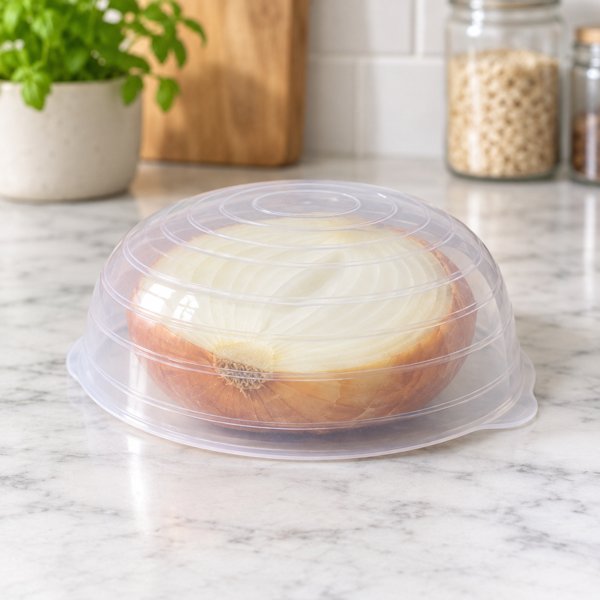
OXO Good Grips Cut & Keep Onion Saver
Substituting often leaves you with half an onion or a spare shallot lobe, and a snug cover keeps it ready for your next recipe.
When to Use Each
- Reach for shallots in pan sauces, beurre blanc, red wine reductions, vinaigrettes and anything raw or lightly cooked, where a sharp onion flavor would stand out too much.
- Reach for shallots when you need just a small amount; one shallot is often the perfect size for a single dressing or sauce, and a silicone onion saver keeps the leftover half fresh if you only use part.
- Reach for onions in soups, stews, chili, braises and roasts, where long cooking mellows their bite and their bulk adds body.
- Reach for onions when you want caramelized onions, onion rings or a big batch of sautéed aromatics; they are cheaper and easier to prep in quantity.
- Use either in everyday sautés, stir-fries, rice dishes and stuffing, adjusting the amount by volume. A good 8-inch chef’s knife handles both quickly.
What You’ll Need
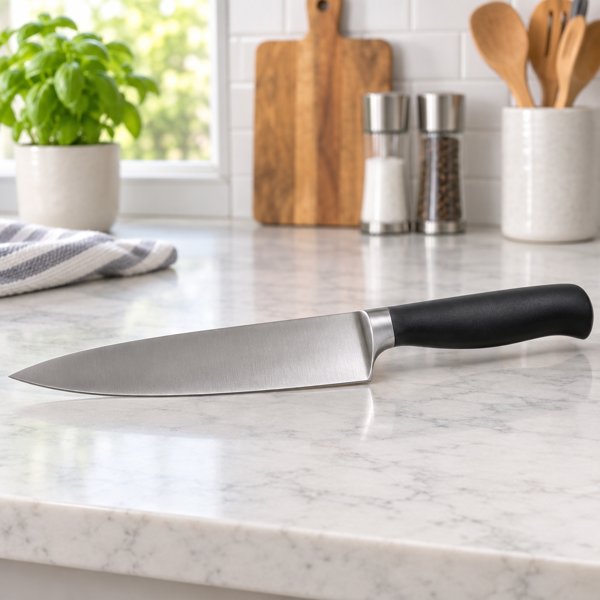
Victorinox Fibrox Pro 8-Inch Chef's Knife
A sharp, lightweight chef’s knife that makes a fine, even mince of shallots and onions without crushing them.
OXO Good Grips Everyday Cutting Board
A non-slip plastic board that stays put while you dice and washes easily, so onion smells don’t linger.
OXO Good Grips Cut & Keep Onion Saver
A small silicone cover that keeps a half onion or shallot fresher in the fridge and contains the smell.
Maesri Fried Shallots
Ready-made crispy shallots for topping soups, salads, green beans and rice when you don’t want to fry your own.
Common Mistakes to Avoid
- Swapping by count. “One shallot” and “one onion” are very different amounts. Measure the chopped volume instead.
- Cooking shallots over high heat. Their thin layers and natural sugars scorch fast and turn bitter. Sweat them over medium-low heat until soft and translucent.
- Using raw yellow onion in a delicate dressing. It can overpower everything. Use less, choose red onion, or soak it in cold water first.
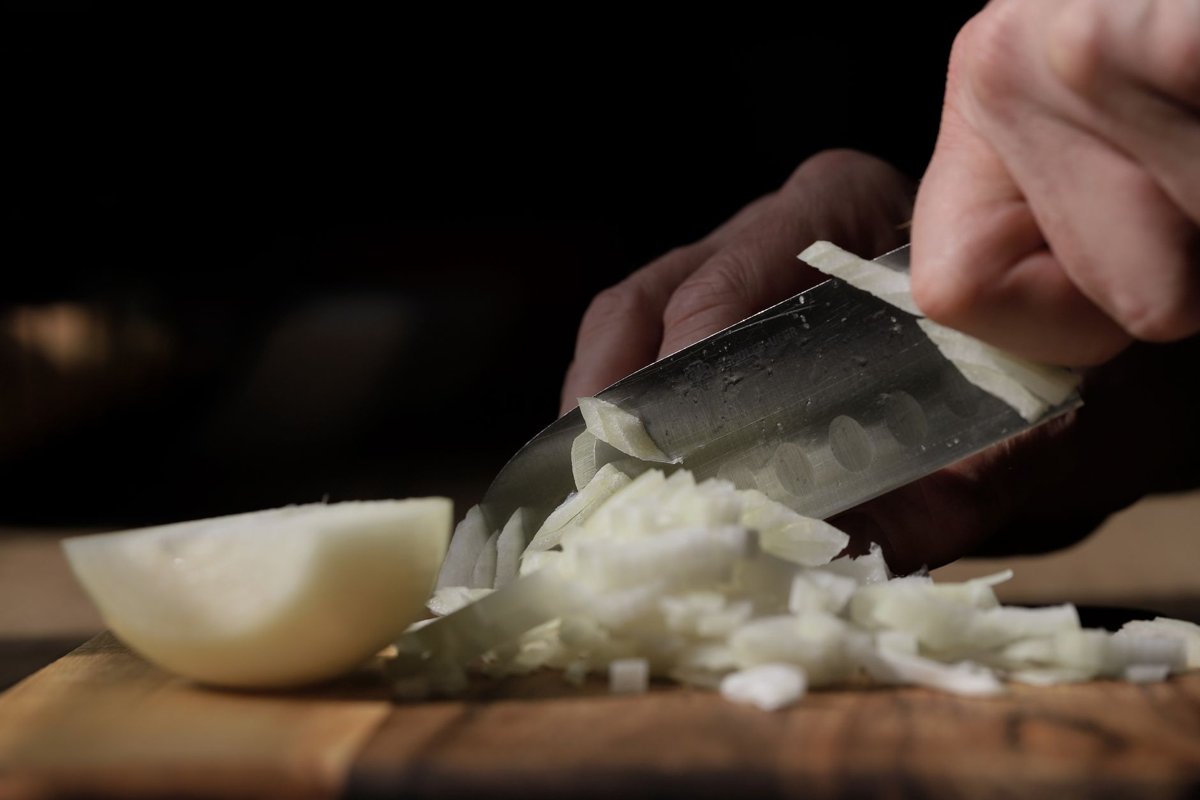
- Rough chopping when a recipe says mince. Big pieces of onion stay crunchy in a quick sauce. Mince finely on a steady cutting board so the pieces cook evenly.
- Storing them in plastic bags or next to potatoes. Whole shallots and onions keep best in a cool, dark, dry spot with airflow. Wrap cut pieces and refrigerate them in a covered onion saver or airtight container.
Shallots Vs Onions FAQ
Are shallots and onions the same thing?
No. They are closely related members of the allium family, but shallots grow in clusters of cloves and have a milder, sweeter flavor and finer texture than a standard onion.
Can I use onion instead of shallots?
Yes. Use the same volume of finely chopped yellow onion, or slightly less in delicate sauces, and add a small pinch of garlic if you like. For raw uses, red onion is the closer match.
Are shallots more nutritious than onions?
Both are low in calories and provide fiber, vitamin C and other plant compounds. Shallots hold less water, so they are a little higher in calories and nutrients per ounce, but you usually use smaller amounts.
How do you store shallots and onions?
Keep whole ones in a cool, dark, dry place with good airflow, away from potatoes. Once cut, wrap them tightly or use an airtight container in the refrigerator and use them within about a week. A sharp chef’s knife and quick prep help you use them up before they go soft.
The Bottom Line
Shallots and onions are not the same, but they are close enough to trade places in most cooked dishes. Choose shallots when you want a gentle, sweet flavor that melts into sauces and dressings, and onions when you need bold flavor and bulk for soups, stews and roasts. When you swap, measure by volume, adjust the heat, and taste as you go.
More from the kitchen: