
As an Amazon Associate, we earn from qualifying purchases. This post contains affiliate links.
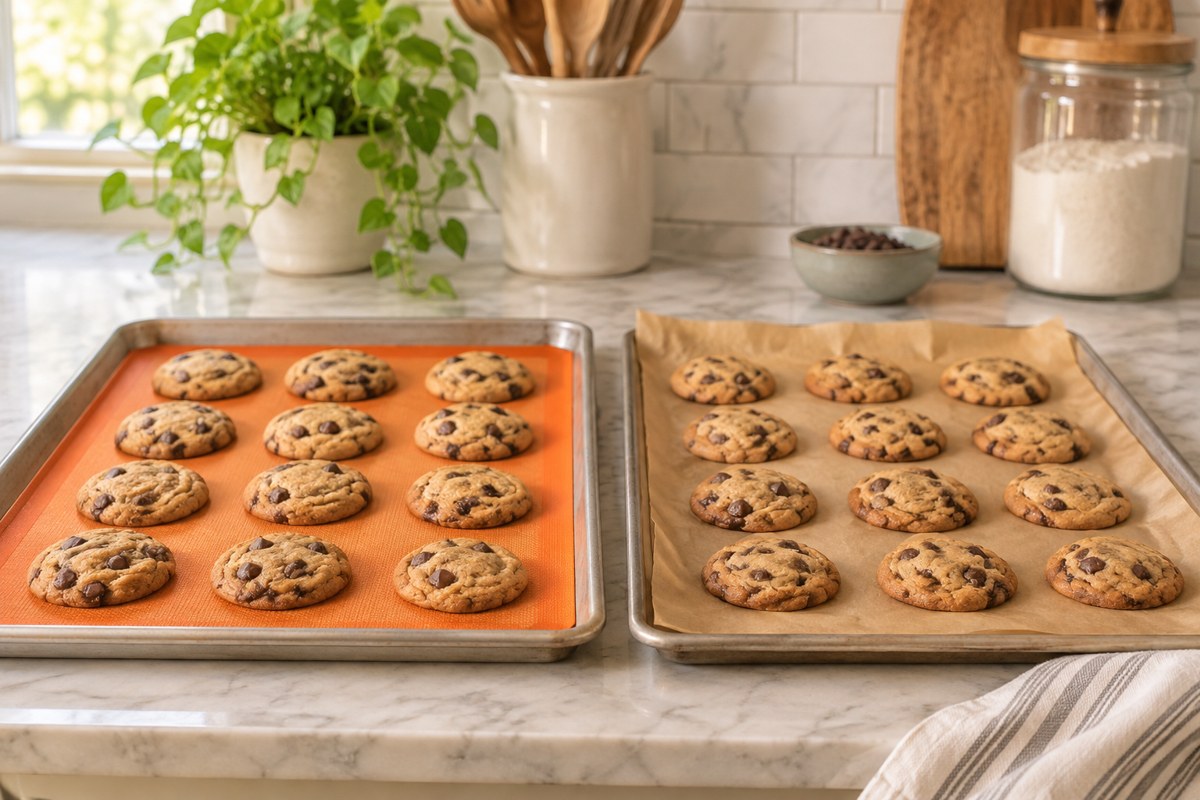
Quick answer: Both keep baked goods from sticking, so for everyday cookies either one works. A silicone baking mat is the better buy if you bake often and want a reusable liner for cookies, candy and sticky dough. Parchment paper is more versatile because you can cut, fold and toss it, so it wins for lining cake pans, crisper bottoms and cooking food in packets. Most bakers end up keeping both.
Holiday baking season means sheet pan after sheet pan of cookies, and the liner under them matters more than most people think. It decides how easily cookies release, how much scrubbing you do afterward and, to a degree, how the bottoms brown.
The two most common choices are a reusable silicone baking mat and a roll of parchment paper. They look like they do the same job, but they behave differently in the oven. Here’s how they compare, side by side, so you can pick the right one for what you bake most.
Silicone Baking Mat vs Parchment Paper at a Glance
| Silicone baking mat | Parchment paper | |
|---|---|---|
| What it is | A flexible, reusable sheet of food-grade silicone, usually reinforced with fiberglass mesh | Paper coated with silicone so it resists sticking and grease |
| Best for | Cookies, candy, caramel, kneading and rolling sticky dough | Lining cake pans, roasting, cooking in packets and crisp-bottomed cookies |
| Browning | Insulates a little, so bottoms usually bake paler and more evenly | Lets more heat through, so bottoms brown and crisp a bit more |
| Pros | Reusable for years, stays put, very nonstick | Cuts to any size or shape, nothing to wash, easy to lift and slide off the pan |
| Cons | Can’t be cut, can hold a greasy film, needs washing and storage | Single-use or close to it, can curl on the pan, chars above its heat rating |
| Care and cleaning | Wash with warm soapy water and a soft sponge; check the maker’s dishwasher guidance | None; toss it, or reuse it once if it’s still clean and intact |
| Relative cost | Higher upfront, budget-friendly over time if you bake often | Budget-friendly per roll, but an ongoing purchase |
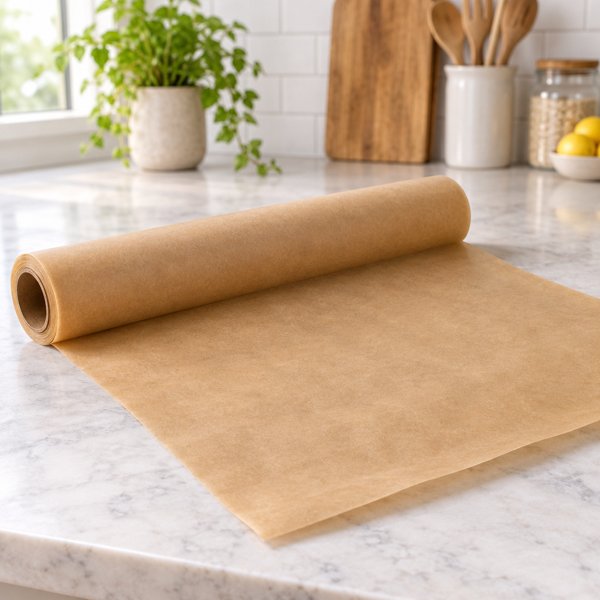
If You Care Unbleached Parchment Paper Roll
Even if you buy a mat, a roll of parchment handles the cake pans and packets a mat can’t.
What Is a Silicone Baking Mat?
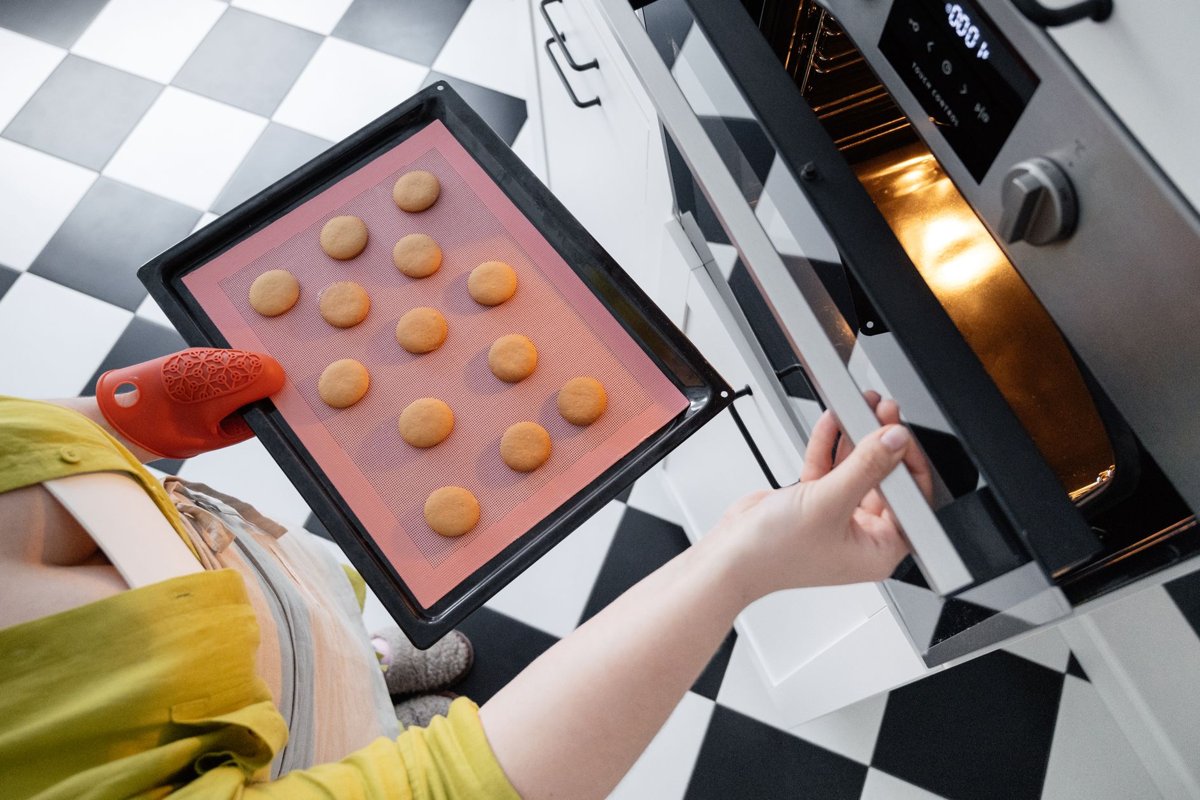
A silicone baking mat is a thin, flexible liner made from food-grade silicone, usually with a layer of fiberglass mesh inside to keep it flat. You lay it on a rimmed sheet pan, bake on it, wash it and use it again. A well-cared-for mat like the Silpat half sheet mat can last for years of regular baking.
Mats shine with anything sticky. Candy, brittle, caramel, meringues and tuile cookies peel right off, and the surface grips the counter, so it doubles as a nonslip spot for kneading or rolling dough. Because silicone insulates slightly, cookie bottoms tend to bake a little paler and more evenly, which many bakers like for delicate or buttery cookies.
The trade-offs: you can’t cut a mat to fit an odd pan, it needs to be washed and dried after each use, and over time it can hold onto a faint oily film. It also needs to match your pan size so it lies flat.
What Is Parchment Paper?
Parchment paper is paper treated with a thin silicone coating, which makes it nonstick, grease-resistant and safe in a typical oven. It comes in rolls or flat, precut sheets sized for a half sheet pan. Most brands are rated somewhere around 420 to 450°F, so check the box for yours.
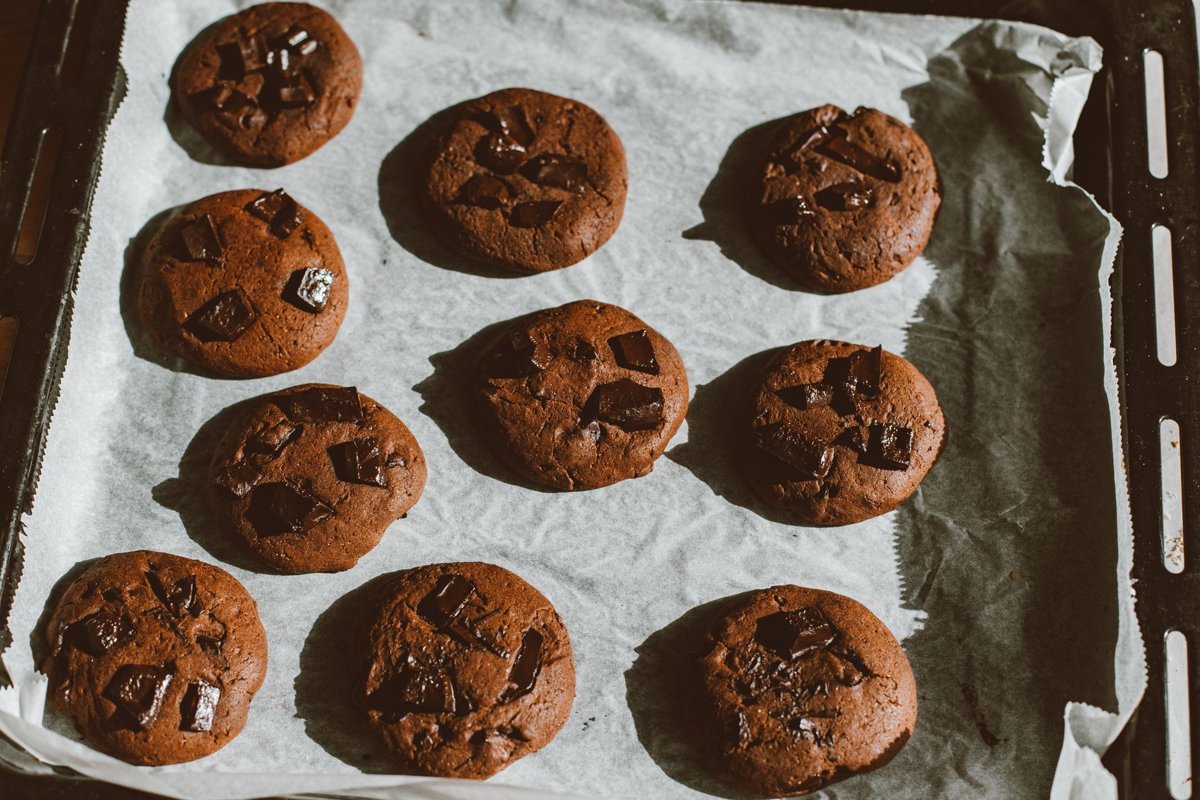
Its biggest advantage is flexibility. You can trim it into circles for cake pans, make a sling for lifting out brownies, fold it into packets for fish and vegetables, or use it to funnel flour back into the bag. Since heat passes through paper more readily than silicone, cookies baked on parchment usually come out with slightly more browned, crisper bottoms.
Parchment is mostly a single-use product, though a clean sheet can often handle a second batch of cookies. It’s also easy to confuse with wax paper, which is not meant for the oven.
Which One Should You Buy?
- Buy a silicone mat if you bake cookies most weeks, make candy or caramel, or want to cut down on paper waste. It pays for itself if you bake a lot.
- Buy parchment paper if you bake cakes, brownies and bars, like cooking fish or vegetables in packets, or bake only now and then. One roll covers a huge range of jobs.
- Small kitchens tend to do better with a roll of parchment, since it tucks into a drawer, while a mat needs a flat or rolled storage spot.
- Crisp versus soft: if you want crisper, browner cookie bottoms, parchment usually gets you there. If your cookies tend to brown too fast on the bottom, a mat can help.
- Owning both makes sense for most home bakers: a mat or two for cookie batches and a roll of parchment for everything else. If you’re baking cookies like these with baking soda or baking powder, either liner will work, so pick based on the finish you want.
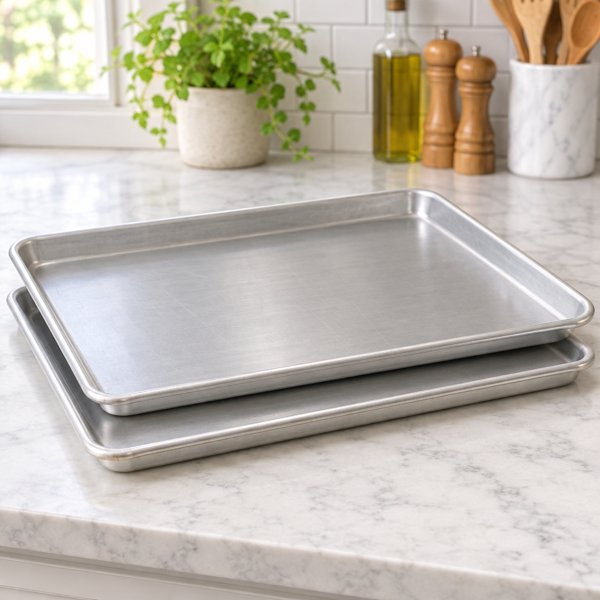
Nordic Ware Naturals Half Sheet Pan, 2-Pack
Whichever liner you choose, it works best on a flat, rimmed half sheet pan it fits snugly.
How to Choose and Use Your Liner
- Match the size to your pan. A mat should lie flat inside the rim of your rimmed half sheet pan without curling up the sides; a curled mat bakes unevenly.
- Check the heat rating. Follow the maker’s maximum temperature for both mats and parchment, and keep both away from the broiler and direct flame.
- Think about your oven. Hot spots and browning differ between gas and electric ovens, so rotate the pan halfway through if one side browns faster, whichever liner you use.
- Pick the format. Rolls of parchment are the most flexible, while flat precut parchment sheets don’t curl and save time during big holiday batches.
- Plan for cleaning and storage. Wash a mat with warm soapy water and a soft sponge, dry it fully, and store it flat or loosely rolled, never folded.
- Use parchment for odd jobs. Lining round cake pans, wrapping food or lining an air fryer basket are paper jobs; our air fryer guide covers how to keep liners weighed down with food so they don’t lift into the heating element.
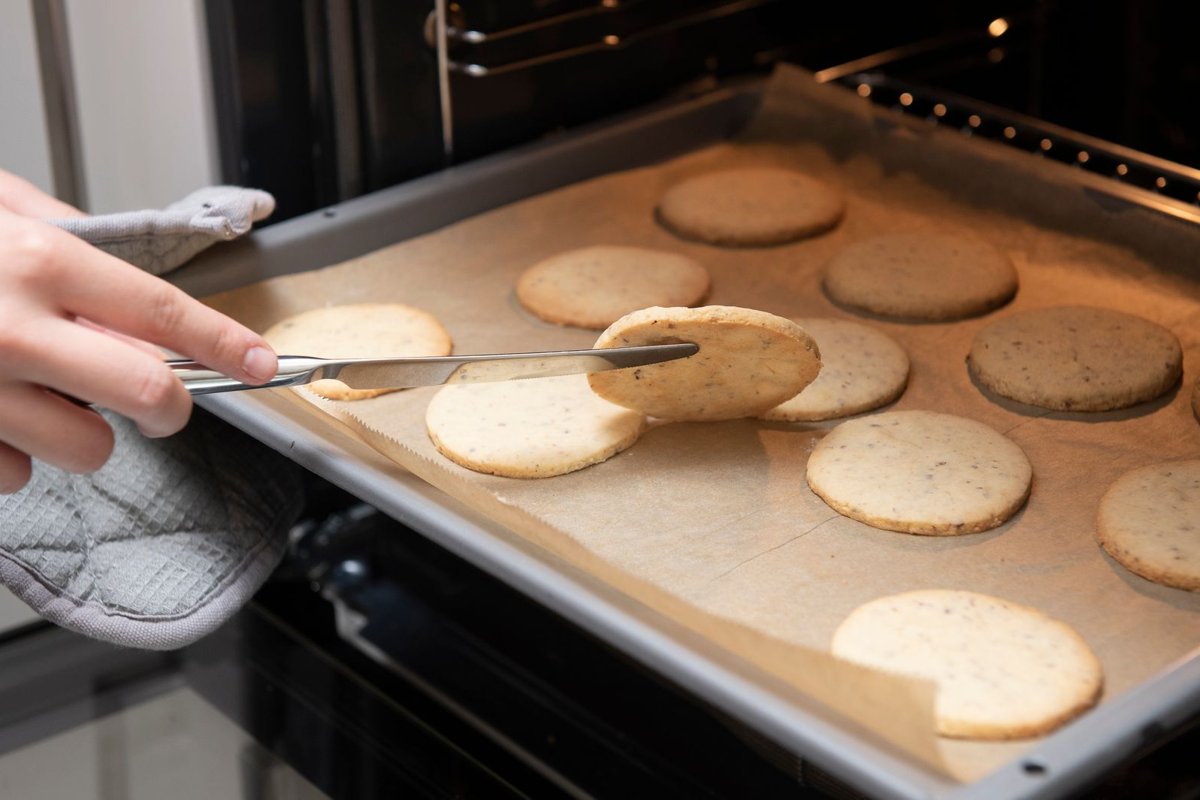
Our Gear Picks
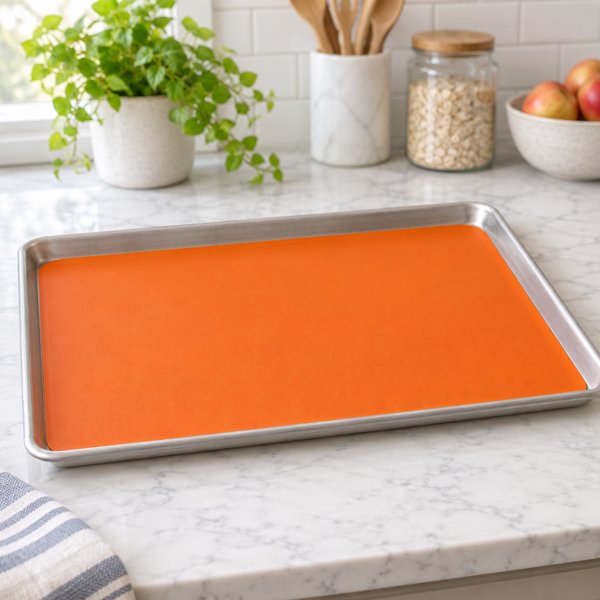
Silpat Silicone Baking Mat, Half Sheet
The classic reusable mat for cookie bakers who want reliable release batch after batch without buying more paper.
If You Care Unbleached Parchment Paper Roll
A versatile roll for lining cake pans, making packets and anything that needs to be cut to size.
Nordic Ware Naturals Half Sheet Pan, 2-Pack
A sturdy rimmed half sheet pan is the base for either liner, and two pans let you prep one batch while another bakes.
If You Care Parchment Baking Sheets
Precut flat sheets skip the curling and trimming, which is handy when you’re turning out several trays in a row.
Common Mistakes to Avoid
- Using wax paper instead of parchment. Wax paper isn’t heat-resistant and can smoke or melt in the oven.
- Cutting on a silicone mat. Knives and pizza wheels can slice the silicone and expose the fiberglass mesh inside; move food to a cutting board first.
- Putting a mat straight on the oven rack. Always set it on a flat, rimmed sheet pan so it stays level and supported.
- Ignoring the heat limit. Parchment can darken and char above its rating, and neither liner belongs under the broiler.
- Greasing a mat or parchment for cookies. Both are already nonstick, and extra fat can make cookies spread more.
- Folding a mat for storage. Creases can damage it over time; store it flat or loosely rolled.
- Scrubbing with abrasive pads. A soft sponge and warm soapy water clean a mat without wearing down the surface.

Silicone Baking Mat Vs Parchment Paper FAQ
Is a silicone baking mat better than parchment paper?
Neither is better for everything. A silicone mat is better for frequent cookie baking, candy and sticky dough because it’s reusable and very nonstick. Parchment is better when you need to cut a liner to size, line a cake pan, cook in packets or get crisper cookie bottoms.
Can I use a silicone baking mat instead of parchment paper?
For most cookie, roasting and candy recipes on a sheet pan, yes. Expect slightly paler bottoms on cookies. Stick with parchment for lining round or square cake pans, making a brownie sling, or wrapping food, since a mat can’t be cut or folded.
Can you put a silicone baking mat in the dishwasher?
Many makers say their mats can go in the dishwasher, but hand-washing with warm soapy water and a soft sponge is gentler and removes greasy film better. Check your mat’s care instructions, dry it completely, and store it flat or rolled.
How long does a silicone baking mat last, and when should I replace it?
With gentle care, a good mat can last for years. Replace it if it tears, gets cut, starts flaking, or shows the fiberglass mesh, or if it stays sticky and smelly even after a thorough wash.
The Bottom Line
If you bake cookies often, a silicone baking mat is a smart, reusable upgrade that makes release and cleanup easy. If you want one liner that handles cakes, packets, roasting and crisp cookie bottoms, parchment paper is the more versatile choice. For a busy holiday baking season, having a couple of mats and a roll of parchment on hand covers just about every recipe.
More from the kitchen: