As an Amazon Associate, we earn from qualifying purchases. This post contains affiliate links.
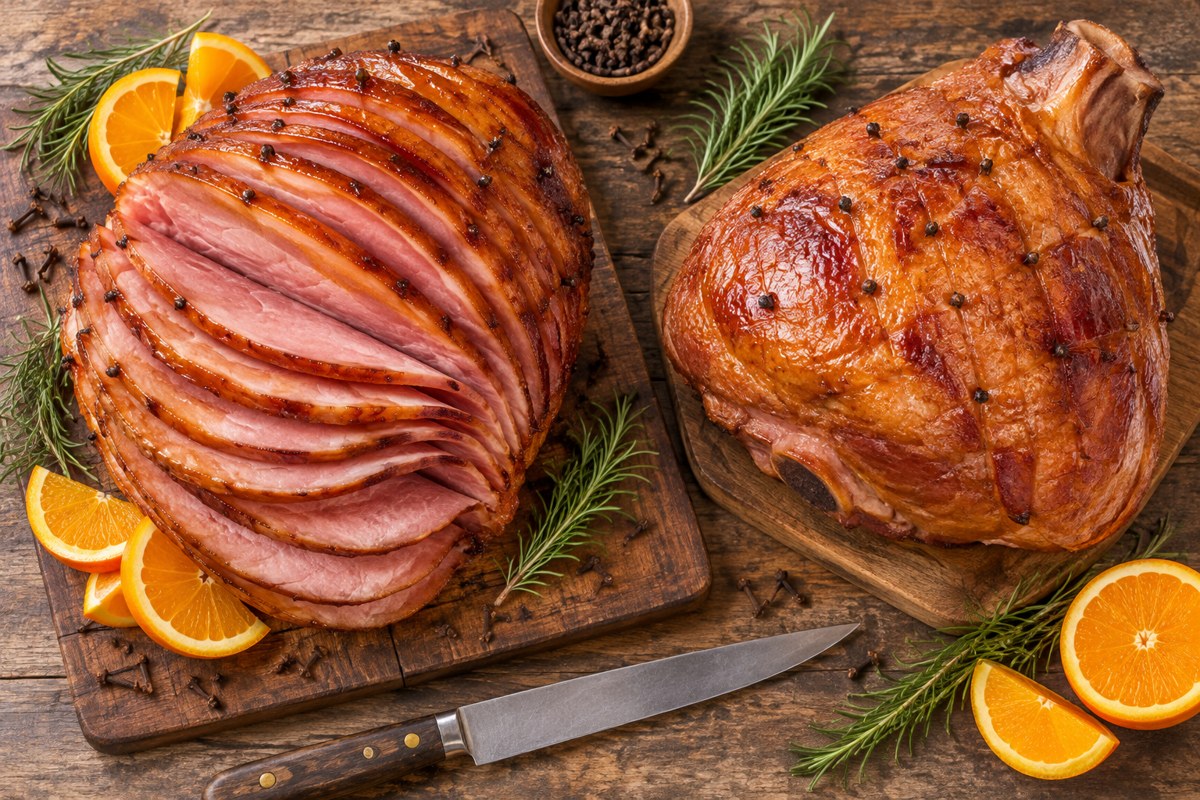
Quick answer: A spiral ham is a bone-in ham that has been pre-sliced around the bone, so it is not really a different cut. The difference is convenience versus moisture: spiral ham is easy to serve but dries out faster, while an unsliced bone-in ham stays juicier and gives you neater, thicker slices if you are willing to carve it yourself.
Ham is the centerpiece of countless Christmas and Easter tables, and the meat case makes the choice look harder than it is. You will see spiral-sliced hams in glossy foil next to whole and half bone-in hams, often at different prices per pound, and it is fair to wonder whether you are buying a different product or just paying for slicing. Ham is also cured pork, a different thing from dry-aged hams like the ones in our Serrano ham vs prosciutto guide.
The short version: nearly every spiral ham is a bone-in ham. What changes is how it is cut, how quickly it heats, how easily it dries out and how much work it takes on the day. Here’s how they compare side by side, so you can pick the right one for your crowd, your oven and your schedule. Whichever you pick, a reliable instant-read thermometer takes the guesswork out of reheating.
Spiral Ham vs Bone-In Ham at a Glance
| Spiral ham | Unsliced bone-in ham | |
|---|---|---|
| What it is | A cured, smoked bone-in ham (usually a half) sliced in one continuous spiral around the bone | A cured, smoked ham left whole on the bone, sold as a whole ham or a shank or butt half |
| Usually sold | Fully cooked, often with a glaze packet | Fully cooked or labeled ‘cook before eating’, so check the label |
| Flavor | Classic smoky, salty ham; glaze reaches into every slice | Same cured flavor; glaze stays on the outside |
| Texture | Thin slices that can dry out if overheated | Juicier, since the meat is not exposed to heat on every cut surface |
| Reheating (325°F) | About 10 to 18 minutes per pound, covered, to 140°F | About 15 to 18 minutes per pound (whole) or 18 to 24 (half) to 140°F if fully cooked |
| Carving | Almost none: cut along the bone to release the slices | Needs a long slicing knife and a few minutes of work |
| Cost | Usually a bit more per pound for the convenience | Usually a bit cheaper per pound |
| Substitute ratio | 1:1 by weight; shorten the heating time | 1:1 by weight; lengthen the heating time |
Cuisinart Chef's Classic 16-Inch Roaster with Rack
Whichever ham you choose, a sturdy roaster with a rack keeps it out of the pan juices while it heats under foil.
What Is a Spiral Ham?
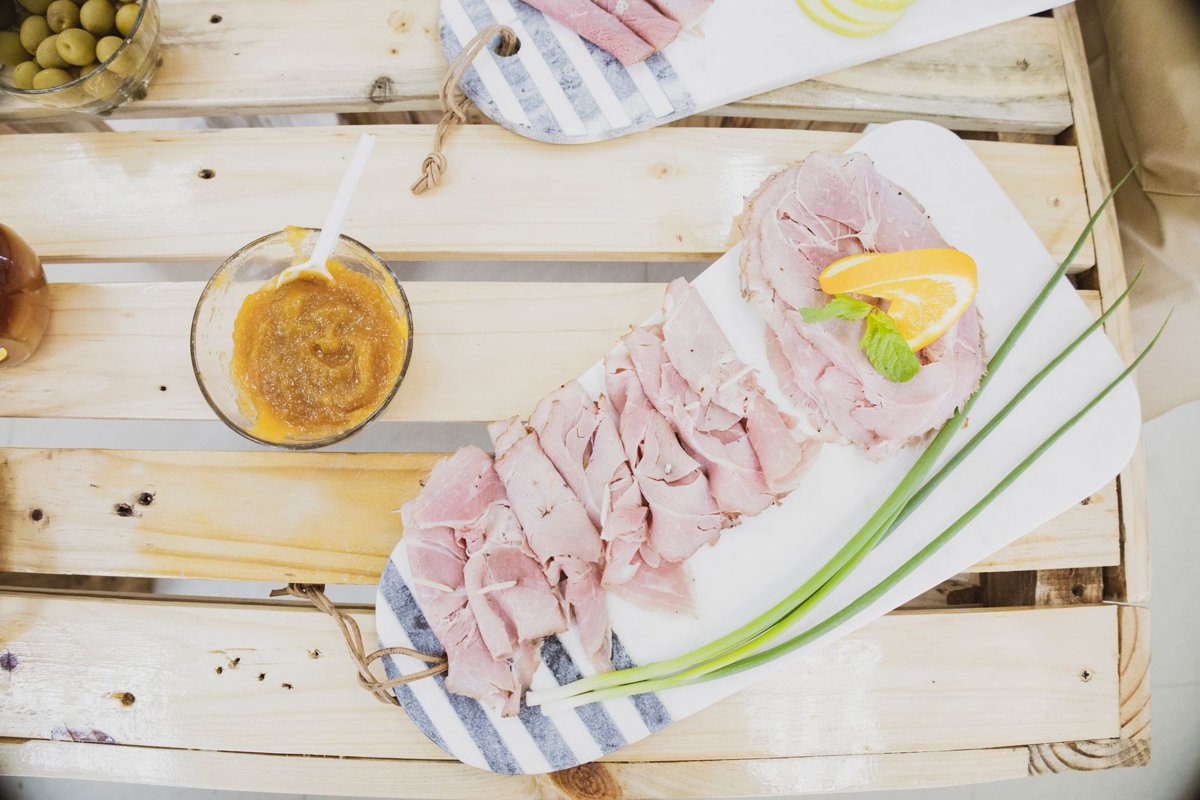
A spiral ham is a cured, smoked, bone-in ham that a processor slices on a machine in one continuous cut that circles the bone. The slices stay attached at the bone, so the ham holds its shape in the package and fans open once you run a knife along the bone. Most spiral hams are half hams (shank or butt end) weighing roughly 7 to 10 pounds, and nearly all are sold fully cooked.
That pre-cooking matters: you are reheating a spiral ham, not cooking it. Because every slice is exposed, heat and air reach deep into the meat, which is great for glaze but tough on moisture. The trick is low heat, a tight foil cover and a splash of liquid in the pan. Set the ham cut side down in a roasting pan with a rack and pull it as soon as it reaches 140°F.
What Is a Bone-In Ham?
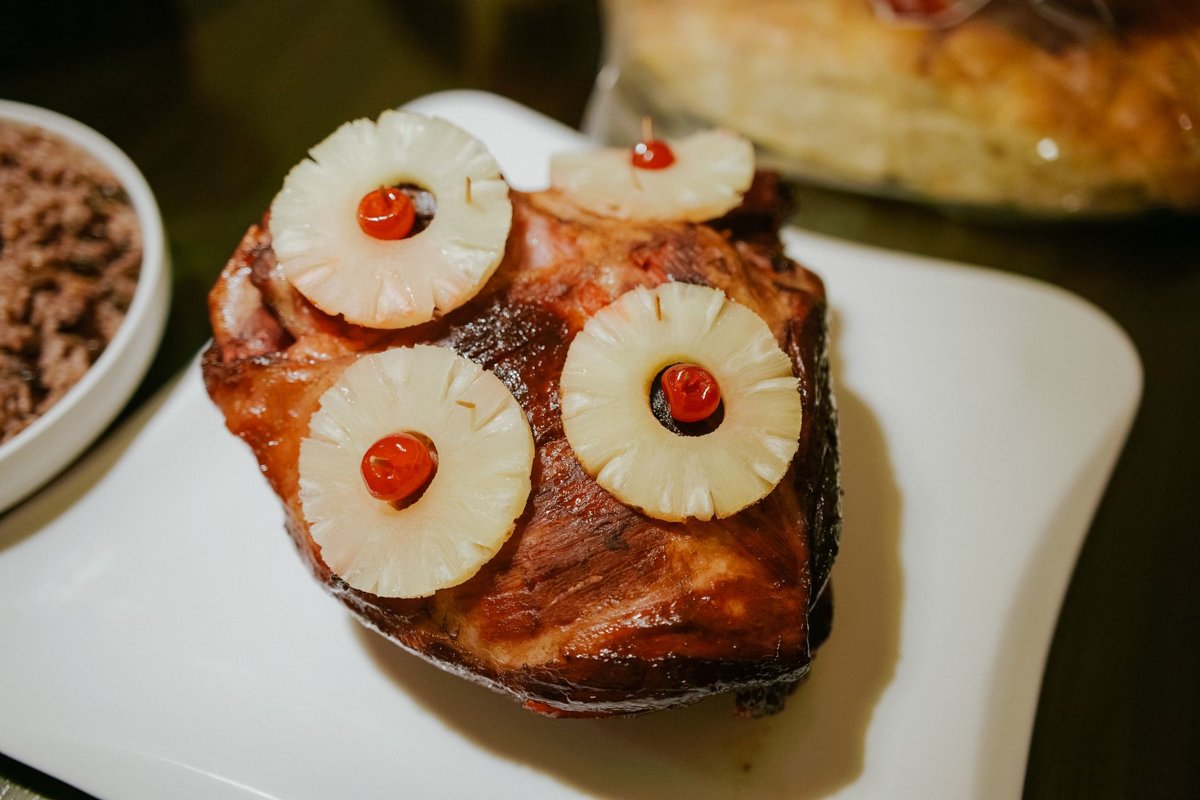
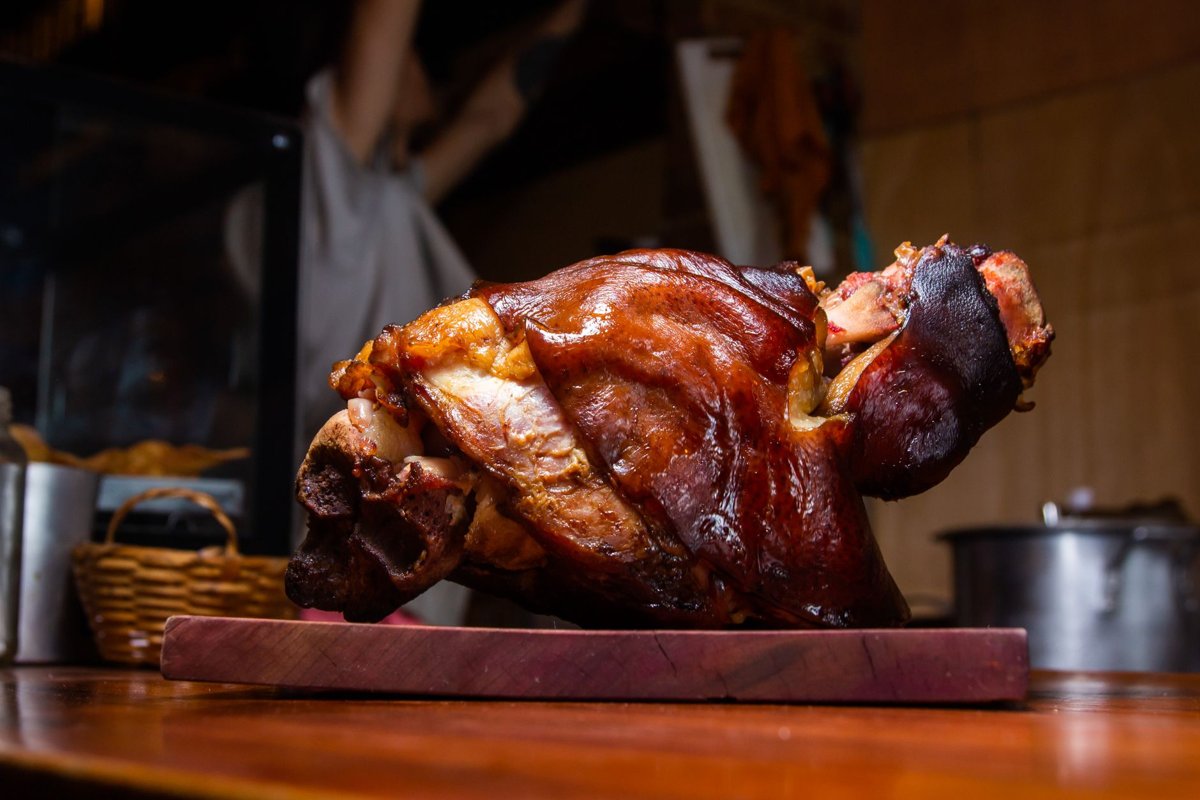
A bone-in ham is the hind leg of the hog, cured (and usually smoked) with the leg bone left in. You can buy a whole ham, which often runs 14 pounds or more, or a half: the shank end is easier to carve, while the butt end is meatier but has a more awkward bone. Many are fully cooked, but some are labeled ‘cook before eating’ or are fresh, uncured hams, so read the label before you plan your timing.
Because the surface stays intact, an unsliced bone-in ham holds onto its juices better through a long stay in the oven, and you control slice thickness. The bone adds flavor around the meat and leaves you with a ham bone for split pea soup or beans afterward, which is a good reason to own a proper soup pot.
Can You Substitute Spiral Ham for Bone-In Ham?
- Yes, 1:1 by weight. Both are cured pork on the bone, so any recipe or glaze for one works for the other.
- Adjust the time, not the temperature. Heat both at 325°F. Plan on roughly 10 to 18 minutes per pound for a fully cooked spiral ham and 15 to 24 minutes per pound for an unsliced one, depending on whether it is whole or half.
- Use a thermometer, not the clock. Fully cooked hams from a USDA-inspected plant should reach 140°F. A ham labeled ‘cook before eating’ or a fresh ham needs 145°F with a 3-minute rest.
- Glaze later with spiral ham. Brush on glaze in the last 15 to 20 minutes for either ham, but spiral ham takes it up faster and burns sooner, so watch it closely.
- Plan servings the same way. For bone-in hams of either style, a common guide is about 1/3 to 1/2 pound per person, more if you want leftovers. If you are carving an unsliced ham, a 12-inch slicing knife makes thin, even slices much easier.
Victorinox 12-Inch Granton Slicing Knife
Swapping a spiral ham for an unsliced one means carving, and a long slicing knife turns that into a quick job.
When to Use Each
- Choose spiral ham for buffets, big crowds and busy hosts, when you want people to serve themselves without anyone carving at the table.
- Choose spiral ham when you want glaze in every bite, since it seeps between the slices.
- Choose an unsliced bone-in ham when juiciness matters most or when the ham will spend a long time in a warm oven or chafing dish.
- Choose an unsliced bone-in ham when you want thick slices for plated dinners, or cubes and steaks for leftovers.
- Choose either when you want the bone for soup; both leave you with one. Pair either one with classic sides like the ones in our sweet potato vs yam guide.
What You’ll Need
ThermoWorks ThermoPop 2 Instant-Read Thermometer
Ham reheating is all about hitting 140°F without overshooting, and a quick, accurate reading is the easiest way to keep either style from drying out.
Cuisinart Chef's Classic 16-Inch Roaster with Rack
Big enough for a whole or half ham, with a rack that lifts it out of the drippings and room for liquid under the foil.
Victorinox 12-Inch Granton Slicing Knife
A long, thin blade with dimples that keeps slices from sticking, which is what you want for carving an unsliced bone-in ham.
Common Mistakes to Avoid
- Overheating a spiral ham. It is already cooked; taking it well past 140°F mainly dries out the thin slices.
- Roasting it uncovered. Keep either ham tightly wrapped in foil until it is time to glaze, and add a little water, stock or juice to the pan.
- Glazing too early. Sugary glazes scorch over a long bake. Add glaze in the final 15 to 20 minutes.
- Skipping the label. ‘Fully cooked’ and ‘cook before eating’ hams need different target temperatures.
- Heating straight from the fridge in a rush. Plan the full time per pound so the center gets hot without the outside drying out.
- Leaving leftovers out. Refrigerate ham within 2 hours of serving.
Spiral Ham Vs Bone-In Ham FAQ
Are spiral ham and bone-in ham the same?
Almost. A spiral ham is a bone-in ham that has been sliced in a continuous spiral around the bone. An unsliced bone-in ham is the same type of cured pork left whole, so you carve it yourself.
Can I use a spiral ham instead of a bone-in ham in a recipe?
Yes. Swap them 1:1 by weight and use the same glaze. Heat the spiral ham for less time per pound, keep it covered, and check it with an instant-read thermometer so it reaches 140°F without drying out.
Is there a nutrition difference between spiral and bone-in ham?
Not from the cut itself. Both are cured pork, so they are high in protein and sodium. Differences come from the brand’s cure and from any glaze, which adds sugar.
How long does leftover ham keep?
Refrigerate leftovers within 2 hours and use them within about 3 to 4 days, or freeze them for longer storage; ham is best within 1 to 2 months frozen. Save the bone in the freezer for soup.
The Bottom Line
Spiral ham and bone-in ham are the same cured pork leg, cut two ways. Buy spiral ham when convenience and easy serving matter most, and handle it gently with foil, liquid and a 140°F target. Buy an unsliced bone-in ham when you want the juiciest meat and thicker slices and don’t mind a few minutes of carving. Either way, you get a holiday centerpiece and a ham bone for soup.
More from the kitchen: