As an Amazon Associate, we earn from qualifying purchases. This post contains affiliate links.
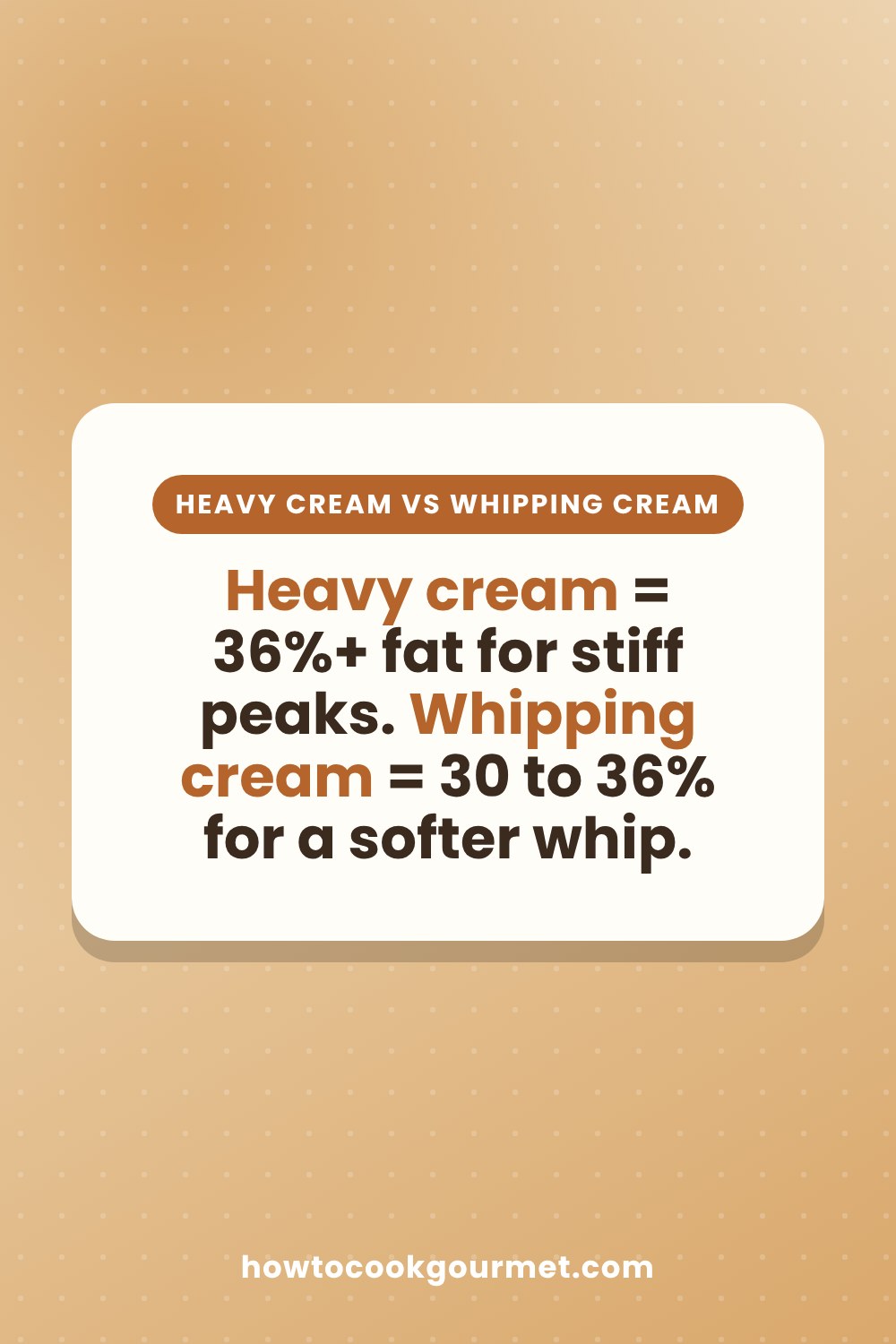
Quick answer: Almost, but not quite. Heavy cream has at least 36% milkfat, while whipping cream has 30 to 36%, so heavy cream whips stiffer, holds its shape longer and resists curdling better in hot sauces. In most recipes you can swap them 1:1.
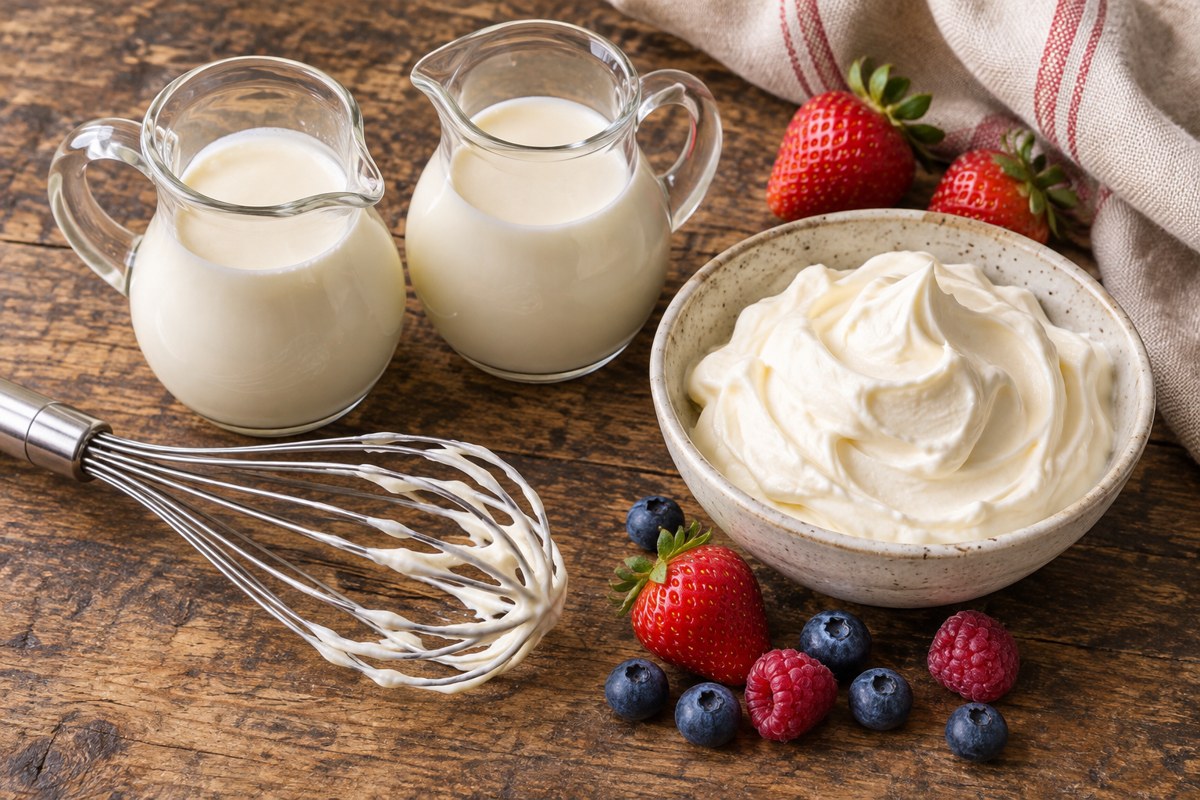
Heavy cream and whipping cream sit side by side in the dairy case, often in identical cartons, and recipes for holiday pies, soups and sauces seem to use the names interchangeably. The difference comes down to a few percentage points of fat, and those few points change how the cream behaves when you whip it or heat it.
Below you will find how the two compare on fat, texture and cooking, when one can stand in for the other, and how to get the best whipped cream from either. A good hand mixer makes the job quick, and if you are deciding which mixer to own, our comparison of hand mixers vs stand mixers covers the tradeoffs.
Heavy Cream vs Whipping Cream at a Glance
| Heavy Cream | Whipping Cream | |
|---|---|---|
| What it is | Cream with at least 36% milkfat; often labeled heavy whipping cream | Cream with 30 to 36% milkfat; sometimes labeled light whipping cream |
| Flavor | Rich, full and buttery | Slightly lighter and milder |
| Whipped texture | Dense, stiff peaks that hold their shape for hours | Light, airy peaks that soften and weep sooner |
| Best uses | Piping, frosting, stabilized toppings, pan sauces, ganache | Dolloping on pie, cocoa and fruit; lighter mousses |
| In hot dishes | Very stable; can simmer and reduce without curdling | Usually fine, but a little more likely to break with acid and high heat |
| Calories | Roughly 50 per tablespoon | Roughly 45 per tablespoon |
| Substitute ratio | Use 1:1 for whipping cream | Use 1:1 for heavy cream; expect a softer whip |
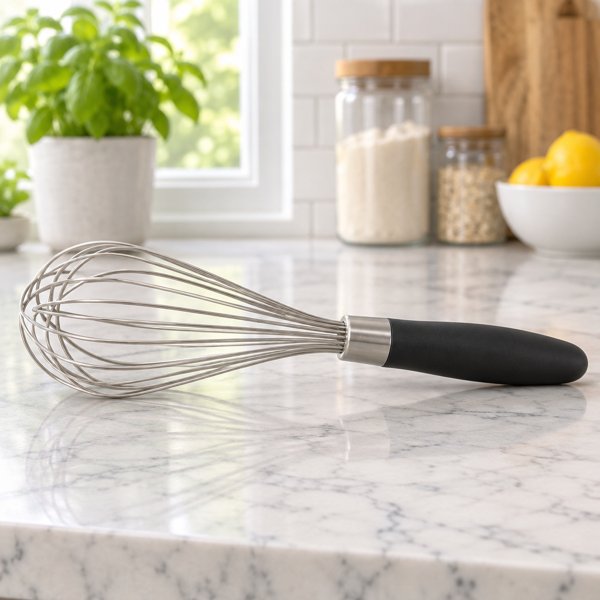
OXO Good Grips 11-Inch Balloon Whisk
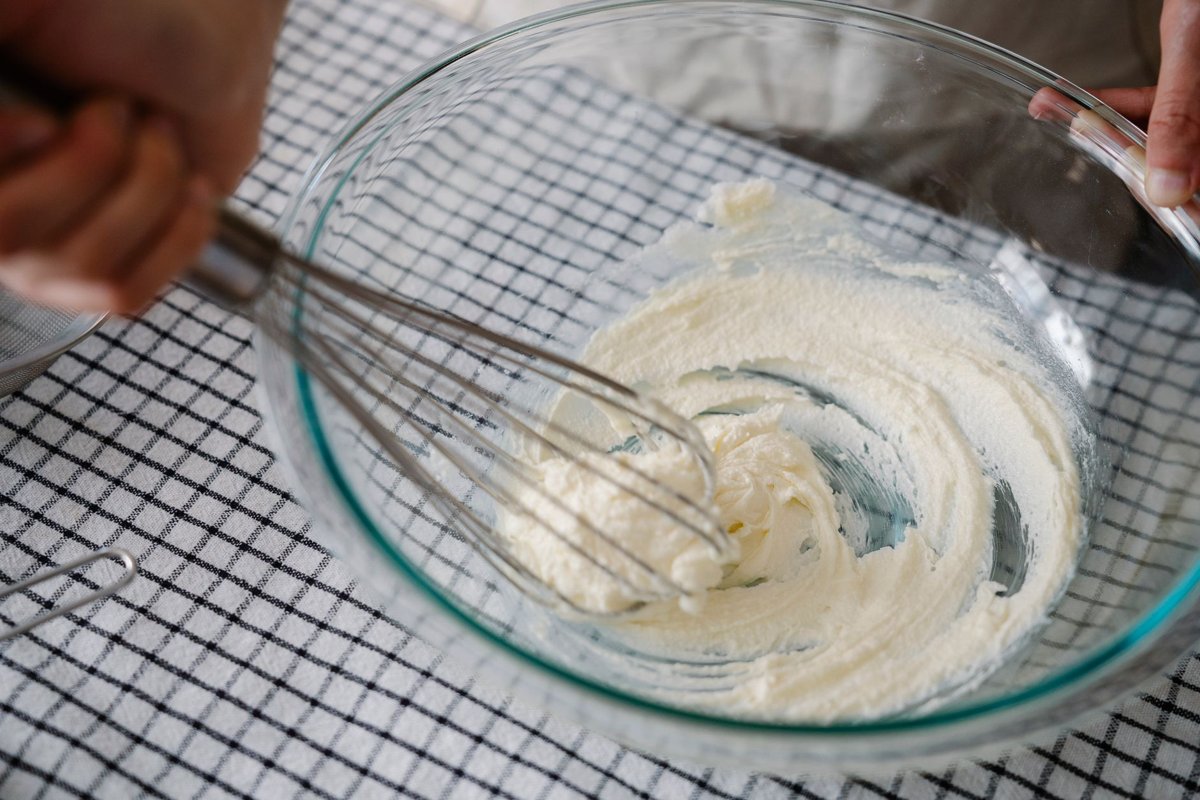
If you only need a cup or two of whipped cream, a sturdy balloon whisk handles either type without dragging out the mixer.
What Is Heavy Cream?
Heavy cream is the high-fat layer skimmed from fresh milk. Under U.S. FDA standards, a product labeled heavy cream must contain at least 36% milkfat. Many brands sell it as heavy whipping cream, which is the same thing, so do not let the extra word confuse you.
That extra fat gives heavy cream two big advantages. When whipped, the fat globules form a sturdier network around the air bubbles, so you get firm peaks that pipe cleanly and stay put on a cake. When heated, the high fat content protects the milk proteins, which is why chefs reach for heavy cream when finishing a pan sauce or reducing a cream sauce until it coats a spoon.
Heavy cream is also the base for ganache, custards, ice cream and many soups. It is the safer choice any time a recipe involves long simmering, acidic ingredients like wine or tomatoes, or a topping that has to hold up for a while.
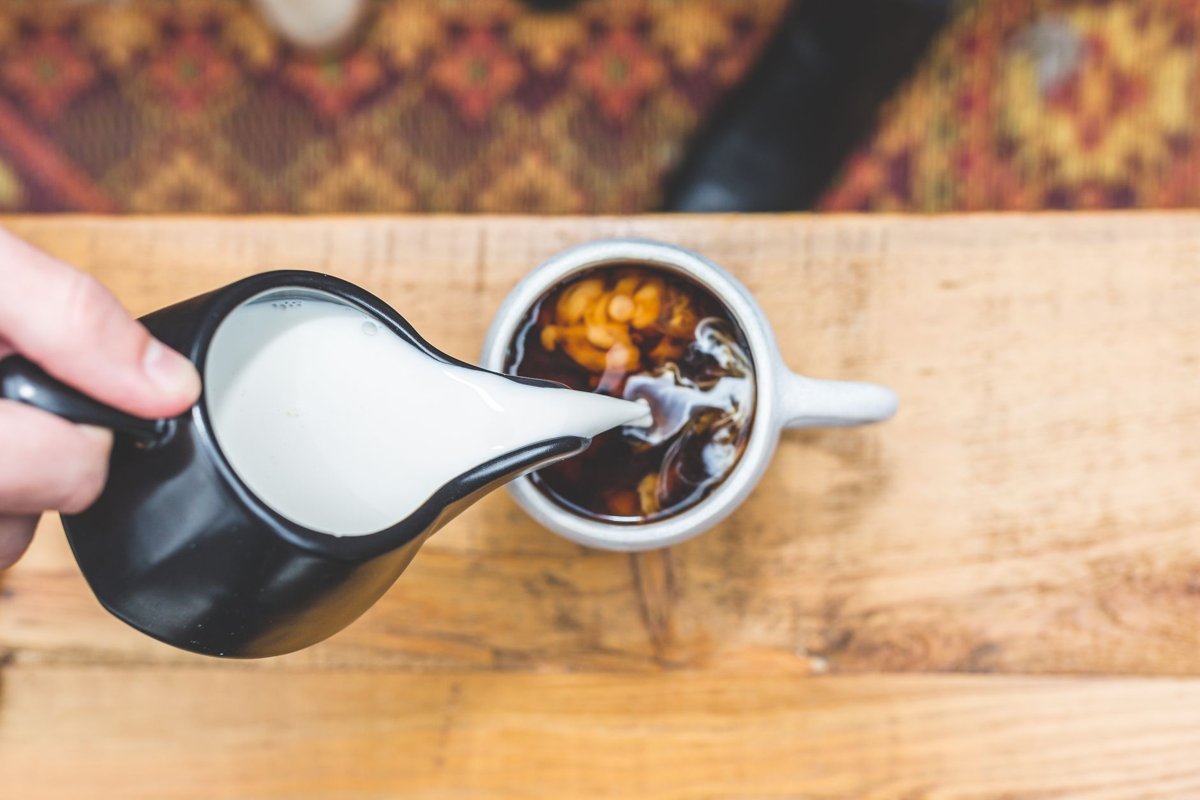
What Is Whipping Cream?
Whipping cream, sometimes labeled light whipping cream, contains 30 to 36% milkfat. It still has plenty of fat to whip, but the lower fat produces a lighter, fluffier result with soft peaks rather than stiff ones.
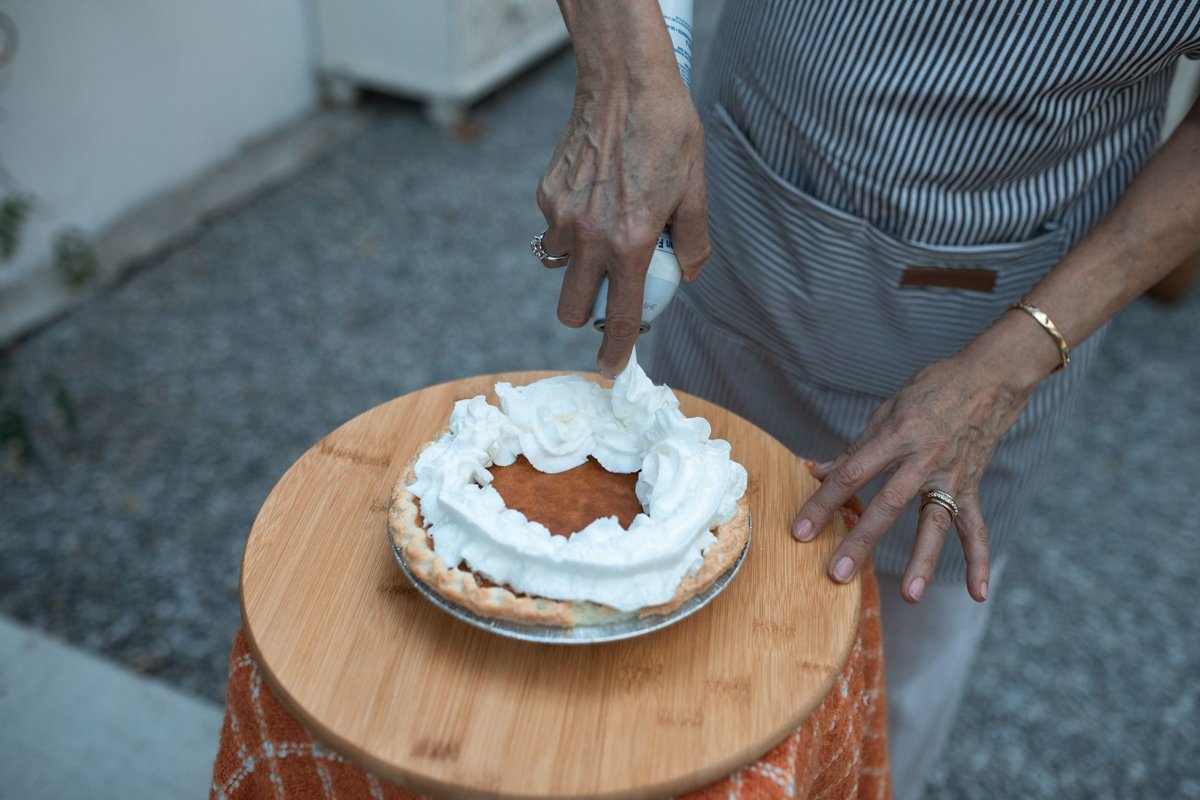
That airy texture is lovely spooned over pumpkin pie, berries or hot chocolate. The tradeoff is stability: whipped cream made from whipping cream starts to soften and release liquid sooner, so it is best whipped close to serving time. It also works well in most baking, soups and coffee drinks.
Some cartons of either type contain small amounts of stabilizers such as carrageenan or gellan gum, and many are ultra-pasteurized for a longer shelf life. Ultra-pasteurized cream still whips, though it can take a little longer than regular pasteurized cream.
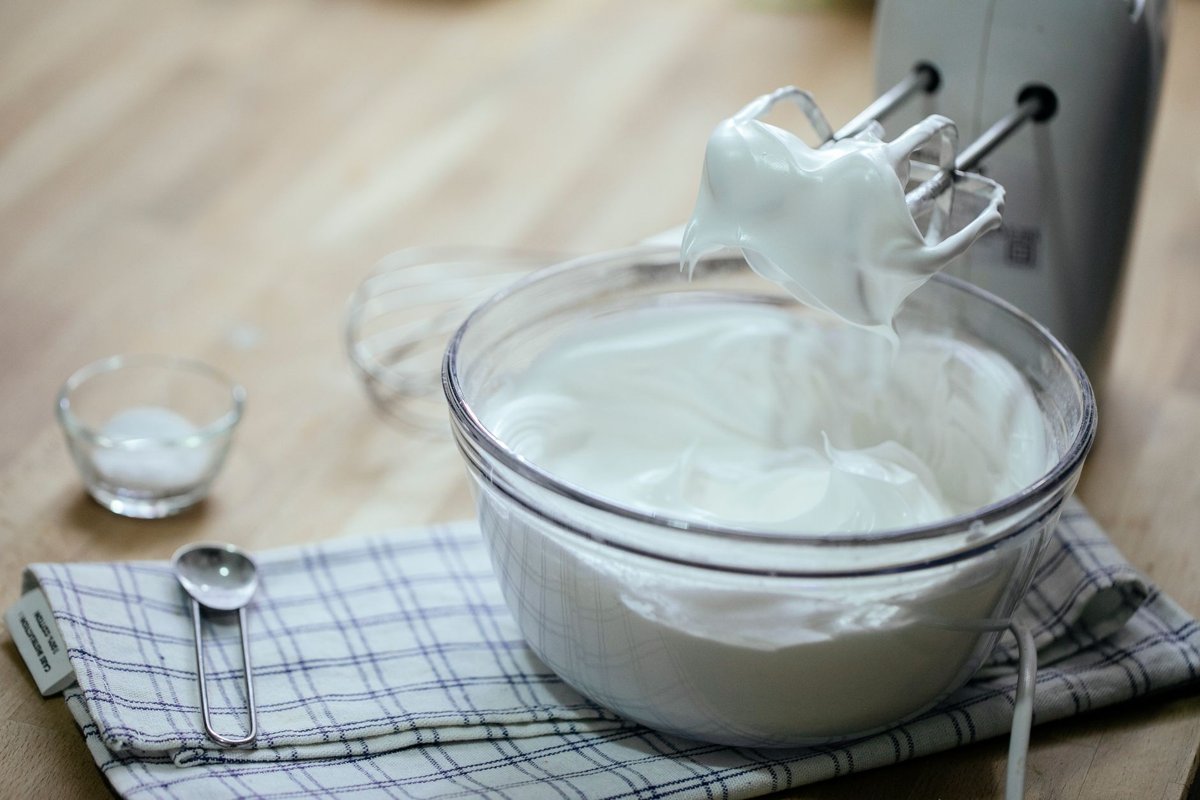
Can You Substitute Heavy Cream for Whipping Cream?
- Heavy cream for whipping cream: Swap 1:1 in any recipe. Your whipped cream will be a bit thicker and richer, and sauces will be a touch more stable.
- Whipping cream for heavy cream: Swap 1:1 in baking, soups, coffee and most sauces. For piped decorations or toppings that must hold for hours, the softer whip may not be firm enough.
- Keep sauces from breaking: If you use whipping cream in a hot sauce, add it near the end, keep it at a gentle simmer and avoid boiling hard after adding acidic ingredients.
- In a pinch for cooking only: Melt 1/4 cup butter and whisk it into 3/4 cup whole milk to replace 1 cup of heavy cream in baking or sauces. This mixture will not whip.
- What will not work: Half-and-half (about 10.5 to 18% fat) and light cream (18 to 30% fat) do not have enough fat to whip, and they are more likely to curdle in hot sauces.
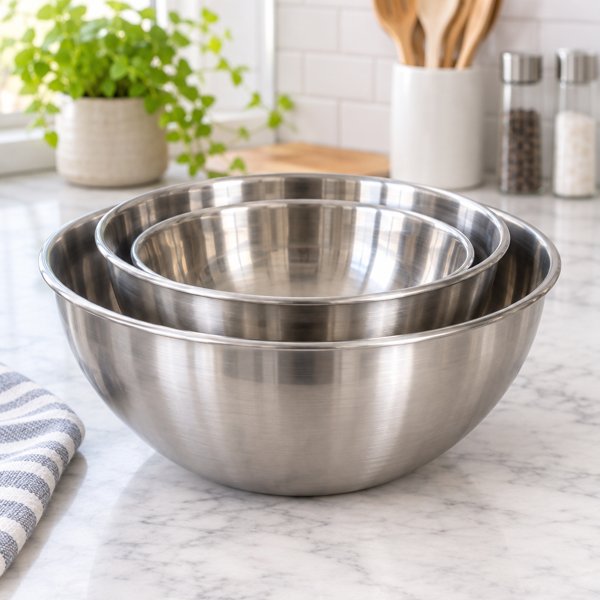
Cuisinart Stainless Steel Mixing Bowls with Lids
Whichever cream you swap in, a well-chilled metal bowl gives it the best chance of whipping up tall and staying that way.
When to Use Each
- Piping, frosting or layer cakes: Use heavy cream. It holds sharp edges and survives a few hours in the fridge.
- A quick dollop on pie or cocoa: Use whipping cream for a softer, cloud-like topping, or heavy cream whipped only to soft peaks.
- Cream sauces, soups and reductions: Use heavy cream, especially with wine, lemon or tomatoes in the pan.
- Custards, ice cream and ganache: Heavy cream gives the richest texture. If you have wondered why gelato tastes different, our piece on ice cream vs gelato explains how cream and milk ratios matter.
- Coffee and everyday baking: Either works; use whichever you already have open.
- Whipping by hand: Choose heavy cream and a large balloon whisk; it reaches peaks a little faster and is more forgiving.
What You’ll Need
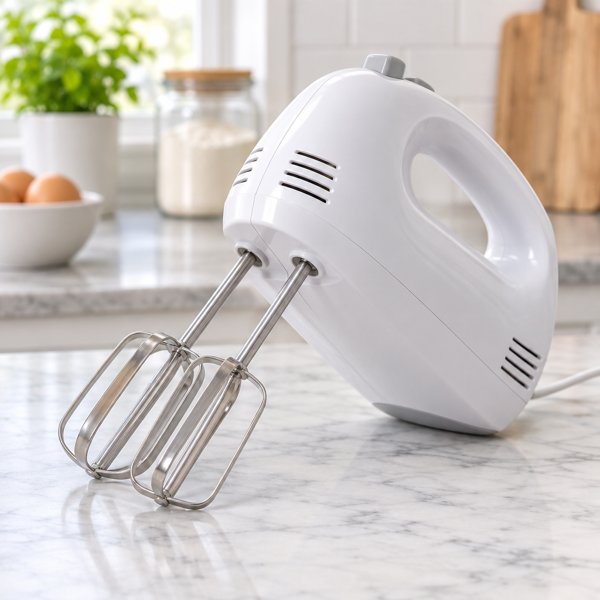
KitchenAid 5-Speed Ultra Power Hand Mixer
Whips a pint of cold cream to stiff peaks in a few minutes, and the low speeds help you stop before it turns grainy.
OXO Good Grips 11-Inch Balloon Whisk
A wide balloon shape pulls in plenty of air, so small batches of whipped cream come together quickly by hand.
Cuisinart Stainless Steel Mixing Bowls with Lids
Metal bowls chill quickly in the freezer, which helps cream whip faster and hold its volume.
iSi Gourmet Whip Cream Whipper
Makes fresh whipped cream on demand and keeps the rest chilled in the canister for later servings.
Common Mistakes to Avoid
- Whipping warm cream. Cream whips best straight from the fridge. Chill your mixing bowl and beaters for 10 to 15 minutes first, especially in a warm kitchen.
- Overwhipping. With a hand mixer, finish on medium speed and check often. Once peaks look stiff and glossy, stop. Keep going and the cream turns grainy, then separates into butter and buttermilk. If it just starts to look grainy, gently fold in a spoonful or two of cold liquid cream to smooth it out.
- Adding sugar too early. Add powdered or granulated sugar once the cream starts to thicken, so it dissolves without slowing the whip.
- Boiling cream with acid. Lower-fat cream can curdle if boiled hard with wine, citrus or tomatoes. Simmer gently and add acid gradually.
- Expecting half-and-half to whip. It does not have enough fat. Buy cream labeled heavy or whipping cream.
- Ignoring the date. Cream sours quickly once opened. Keep it in the coldest part of the fridge, not the door.
Heavy Cream Vs Whipping Cream FAQ
Are heavy cream and whipping cream the same?
Not exactly. Heavy cream has at least 36% milkfat and whipping cream has 30 to 36%. Heavy whipping cream is just another name for heavy cream. They behave very similarly, but heavy cream whips firmer and is more stable in hot sauces.
Can I use whipping cream instead of heavy cream?
Yes, in most recipes you can swap it 1:1. It works well in baking, soups, coffee and most sauces. For piped decorations or toppings that need to hold for hours, heavy cream gives better results. Chill a metal mixing bowl first so either one whips well.
Which has more calories, heavy cream or whipping cream?
Heavy cream has slightly more because it contains more fat, roughly 50 calories per tablespoon compared with about 45 for whipping cream. Check the nutrition label on your carton, since values vary a little by brand.
How long does cream last, and can you freeze it?
Unopened cream keeps until the date on the carton. Once opened, use it within about a week and keep it in the coldest part of the fridge. You can freeze cream, but the texture changes and it may not whip well after thawing, so frozen cream is best used in cooking and baking. A cream whipper is handy if you often have leftover cream to use up.
The Bottom Line
Heavy cream and whipping cream are close enough that most recipes accept either one 1:1. Reach for heavy cream when you need stiff peaks, a topping that holds, or a sauce that simmers with acidic ingredients, and use whipping cream when you want a lighter, softer dollop. Keep the cream and your bowl cold, stop whipping at stiff peaks, and you will get great results from either carton.
More from the kitchen: