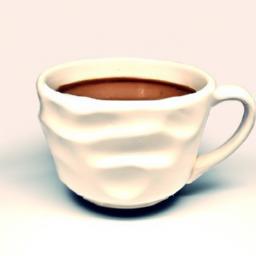
Choosing Between a Coffee Mug and a Cup: Which Enhances Your Morning Brew?
We often grab whichever vessel is handy for our morning coffee, but have you considered how the choice between a mug and a cup can transform your coffee experience? Though these containers might appear similar, distinct differences in design, capacity, and material influence everything from temperature to taste.
At How To Cook Gourmet, we believe that understanding these nuances can elevate your daily ritual. Let’s dive into how size, shape, and material characteristics affect your coffee enjoyment, and help you discover the ideal vessel for every sip.
Key Distinctions: What Sets a Coffee Mug Apart from a Coffee Cup?
The sensation of drinking coffee from a mug versus a cup is more than habit or preference-it’s deeply tied to functional design and tradition.
- Volume Capacity: Mugs typically hold between 10 to 16 ounces, accommodating larger servings. Coffee cups are smaller, generally ranging from 6 to 8 ounces, designed for more modest consumption.
- Material Thickness: Mugs are often crafted from thicker ceramics, aiding in heat retention. Cups are commonly made of thinner porcelain or glass, which cool the beverage faster.
- Handle Design: Mug handles are robust and allow for a comfortable grip with several fingers. Cups feature delicate, smaller handles that fit one or two fingers.
- Shape Variations: Mugs tend to be taller and more cylindrical, promoting warmth and ease of holding. Cups usually have a broader rim and a shallower body, conducive to quicker sipping and cooling.
These aspects aren’t only aesthetic; they significantly influence how your coffee stays warm and how you interact with each sip throughout your routine.
| Feature | Coffee Mug | Coffee Cup |
|---|---|---|
| Capacity | 10-16 oz | 6-8 oz |
| Handle | Large and ergonomic | Small and delicate |
| Material Thickness | Thick ceramic | Thin porcelain or glass |
| Heat Retention | Extended warmth | Rapid cooling |
Impact of Size and Shape: How Your Drinkware Affects Coffee Enjoyment
The dimensions and form of your coffee vessel modulate not only how much you drink but also your overall drinking rhythm and temperature maintenance.
Bigger mugs encourage leisurely sipping by holding more liquid and maintaining heat longer, making them perfect for extended coffee breaks or work sessions. Conversely, smaller cups promote brisk consumption as their diminished volume and wider rims allow the coffee to cool quickly, ideal for those who want a sharp burst of caffeine.
- Mugs: Designed to conserve heat and provide a comforting grip.
- Cups: Celebrate elegance, enhancing the sensory experience in moments of refinement.
| Characteristic | Mug | Cup |
|---|---|---|
| Average Volume | 12-16 oz | 6-8 oz |
| Handle Capacity | Fits 2+ fingers | Fits 1 finger |
| Heat Retention | Optimized for longer warmth | Cools faster for quick sipping |
Material Matters: The Influence of Composition on Flavor and Temperature
The choice of material in your coffee container isn’t just about aesthetics-it shapes taste, heat retention, and durability.
- Ceramic: The classic coffee companion, ceramic mugs and cups provide steady heat retention and a neutral taste profile.
- Glass: Transparent and visually appealing, glass containers allow you to admire your brew but tend to cool drinks more quickly.
- Stainless Steel: Favored for travel mugs, stainless steel offers superior insulation but may impart subtle metallic notes to the beverage.
| Material | Heat Retention | Flavor Impact | Durability |
|---|---|---|---|
| Ceramic | Moderate | Neutral | Fragile |
| Glass | Low | Neutral | Fragile |
| Stainless Steel | High | May be metallic | Robust |
Thicker-walled containers retain heat better, making them ideal for slow drinkers who savor every sip. Those who prefer their coffee cooler or drink quickly might gravitate toward thinner, clearer glass options.
Safety and Comfort: The Importance of Handle Size and Heat Control
One often overlooked feature that enhances drinking comfort is the handle. A well-designed handle protects your fingers from scalding, offering a secure and relaxed grip.
Coffee mugs typically showcase substantial handles, comfortably fitting two or more fingers, shielding your hand from hot surfaces. Cups tend to have smaller or sometimes no handles, which can make handling hot coffee precarious.
| Vessel Type | Handle Size | Heat Insulation | Ergonomic Comfort |
|---|---|---|---|
| Mug | Large and sturdy | Excellent | Comfortable and secure |
| Cup | Small or absent | Moderate to low | Less comfortable and riskier |
- Mugs: Offer heat protection and steady grip for prolonged use.
- Cups: May require additional caution such as napkins to avoid burning fingers.
Maximizing Heat: Which Vessel Keeps Your Coffee at the Ideal Temperature Longer?
Heat retention is key when considering a coffee container, especially if you like to enjoy your drink over time. Here’s how different vessels compare:
- Ceramic mugs: Thanks to their thickness and volume, these keep coffee warm for extended periods.
- Porcelain cups: While elegant, they cool beverages faster, suited to rapid consumption.
- Insulated stainless steel mugs: Modern travel mugs with double walls offer superior heat retention, perfect for commutes or long work hours.
| Container | Material | Heat Retention Level |
|---|---|---|
| Large Ceramic Mug | Ceramic | Good |
| Small Porcelain Cup | Porcelain | Fair |
| Travel Mug | Insulated Stainless Steel | Excellent |
Your personal pace matters: if you’re a slow sipper, an insulated mug will keep your coffee delightfully warm. For those who savor their coffee swiftly, a classic cup suffices.
Reflecting Your Personality: Stylish Mugs and Cups for Every Mood
Your choice of coffee vessel can mirror your mood and personality as much as it serves your beverage needs.
Do you prefer bold, oversized mugs with bright patterns that energize your day? Or sleek, petite cups that exude sophistication for relaxing moments?
| Mood | Recommended Vessel | Rationale |
|---|---|---|
| Dynamic and Energetic | Mug | Large capacity supports extended fuel for busy schedules |
| Calm and Reflective | Cup | Smaller, elegant design suits mindful sipping |
| Casual and Comfort-Seeking | Mug | Sturdy and homey feel promotes relaxation |
| Elegant and Formal | Cup | Delicate and refined for special occasions |
Color selections also influence experience: vibrant tones lift energy, whereas subtle hues ease tension. Patterns make a statement; understated styles whisper elegance.
Efficient Cleaning: Maintaining Your Coffeeware with Ease
Proper maintenance of your mugs and cups extends their lifespan and keeps coffee tasting fresh.
- Prompt rinsing: Rinse as soon as possible after drinking to prevent stubborn stains.
- Gentle cleaning: Use minimal dish soap with warm water to avoid residue affecting taste.
- Baking soda booster: For tough stains, a paste of baking soda and water works wonders.
Delicate cups, especially those with gold or intricate detailing, should be hand washed and kept away from harsh dishwasher cycles to preserve their finish.
| Container Type | Recommended Cleaning Method | Care Tip |
|---|---|---|
| Ceramic/Glass Mugs | Dishwasher or hand wash | Rinse immediately after use |
| Fine China Cups | Hand wash gently | Use mild soap; avoid abrasive scrubbers |
| Stainless Steel Cups | Warm soapy water | Dry thoroughly to prevent water spots |
Store coffee vessels upright and dry to avoid musty odors or dust accumulation, simplifying your morning routine.
Optimal Occasions: When to Reach for a Mug or a Cup
The choice between mug and cup often depends on context and intent of the coffee moment.
| Scenario | Best to Use a Mug | Best to Use a Cup |
|---|---|---|
| Commuting | Need for larger volume and spill resistance | Usually inconvenient, unless stationary |
| Hosting Gatherings | Casual environments and extended conversations | Formal settings with elegant presentation |
| Focusing on Taste | Everyday blends without fuss | High-end or specialty brews for appreciating aroma and flavor |
If you crave a robust volume to power through busy mornings, mugs reign supreme. For moments where coffee becomes an indulgent ritual, cups add a touch of ceremony.
Frequently Asked Questions
A: Mugs are larger, typically 10-16 ounces, with thicker walls and larger handles, while cups are smaller (6-8 ounces), more delicate, and frequently paired with saucers.
Q: Does size impact the coffee drinking experience?
A: Absolutely. Larger mugs encourage slow sipping and retain heat longer, whereas smaller cups invite quicker consumption and faster cooling.
Q: How does the shape affect coffee temperature and taste?
A: Wider mouths in mugs increase surface area, helping coffee cool gradually, while narrower cups maintain heat but may influence aroma concentration.
Q: Which is safer and more comfortable to hold?
A: Mugs typically offer larger, sturdy handles protecting your fingers from heat, whereas cups can be trickier due to small or absent handles.
Q: What role do materials play in heat retention and flavor?
A: Thicker ceramics in mugs hold heat well without affecting flavor. Glass cools beverages quickly yet remains neutral in taste. Stainless steel excels at warmth but can impart metallic notes.
Q: Can a cup substitute for a mug?
A: Yes, but expect smaller servings and quicker cooling. Your drinking style will dictate suitability.
Q: Do cultural traditions affect mug and cup usage?
A: Indeed, some cultures prefer cups for etiquette, while others favor mugs for functionality and ease.
Final Thoughts: Selecting Your Perfect Coffee Companion
Ultimately, the decision between a coffee mug and a cup hinges on your personal coffee rhythm and aesthetic preference. Do you want to sip leisurely from a large, cozy mug, or do you cherish delicate, smaller servings from an elegant cup?
At How To Cook Gourmet, we encourage choosing the vessel that not only fits your caffeine needs but also enriches your coffee ritual. Whether big gulp or slow savor, your perfect coffee moment awaits-sip it your way.